

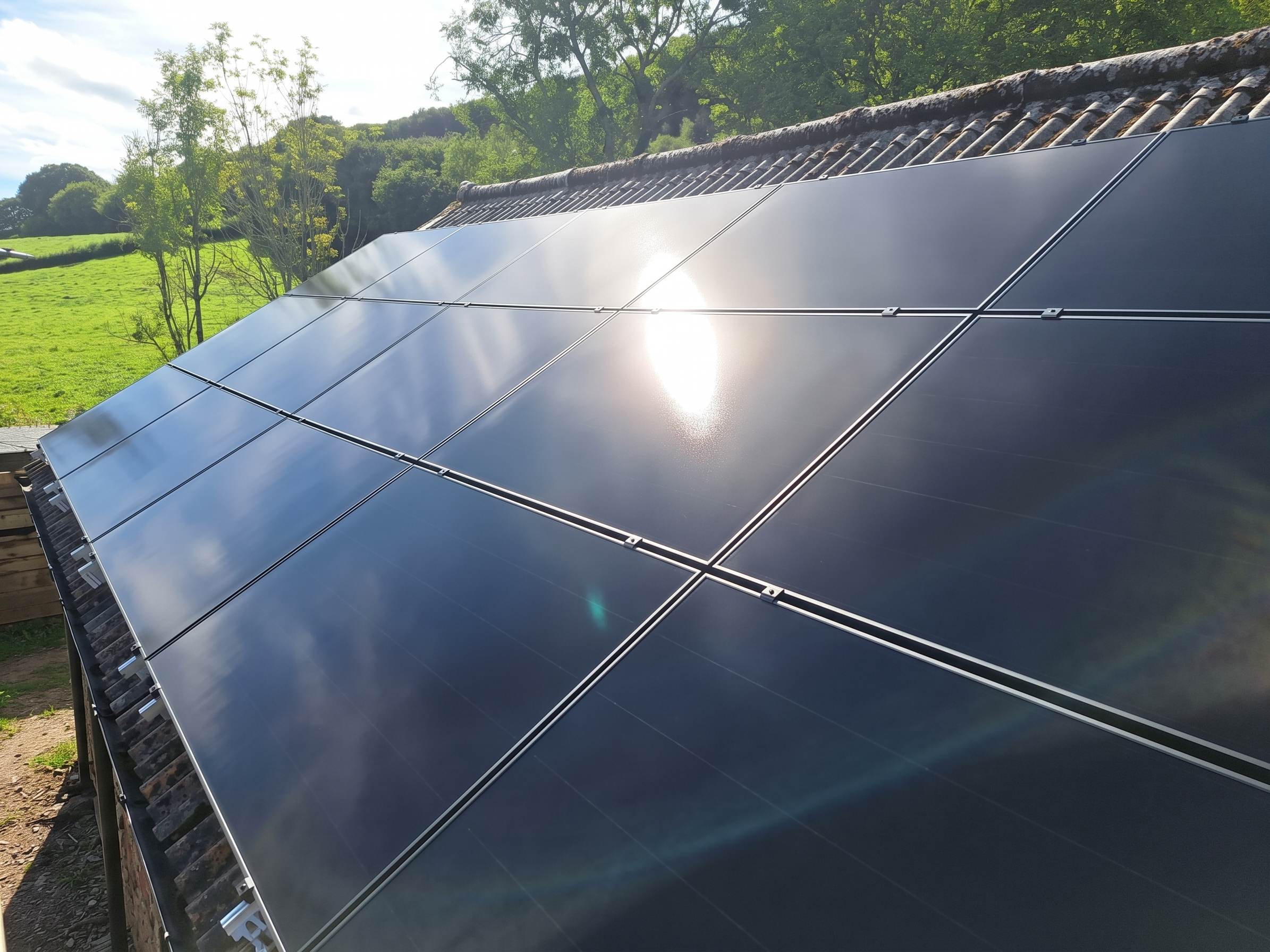
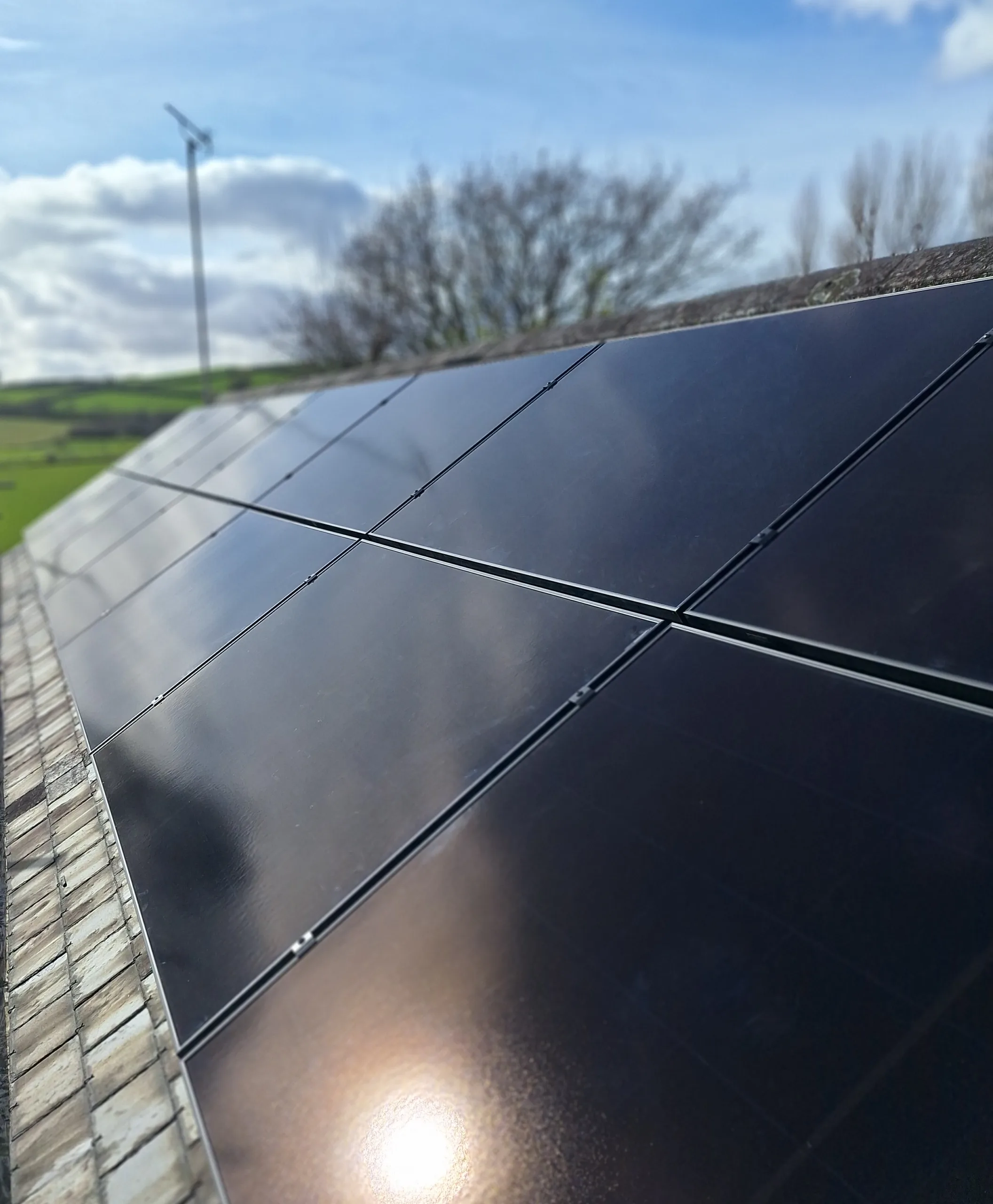
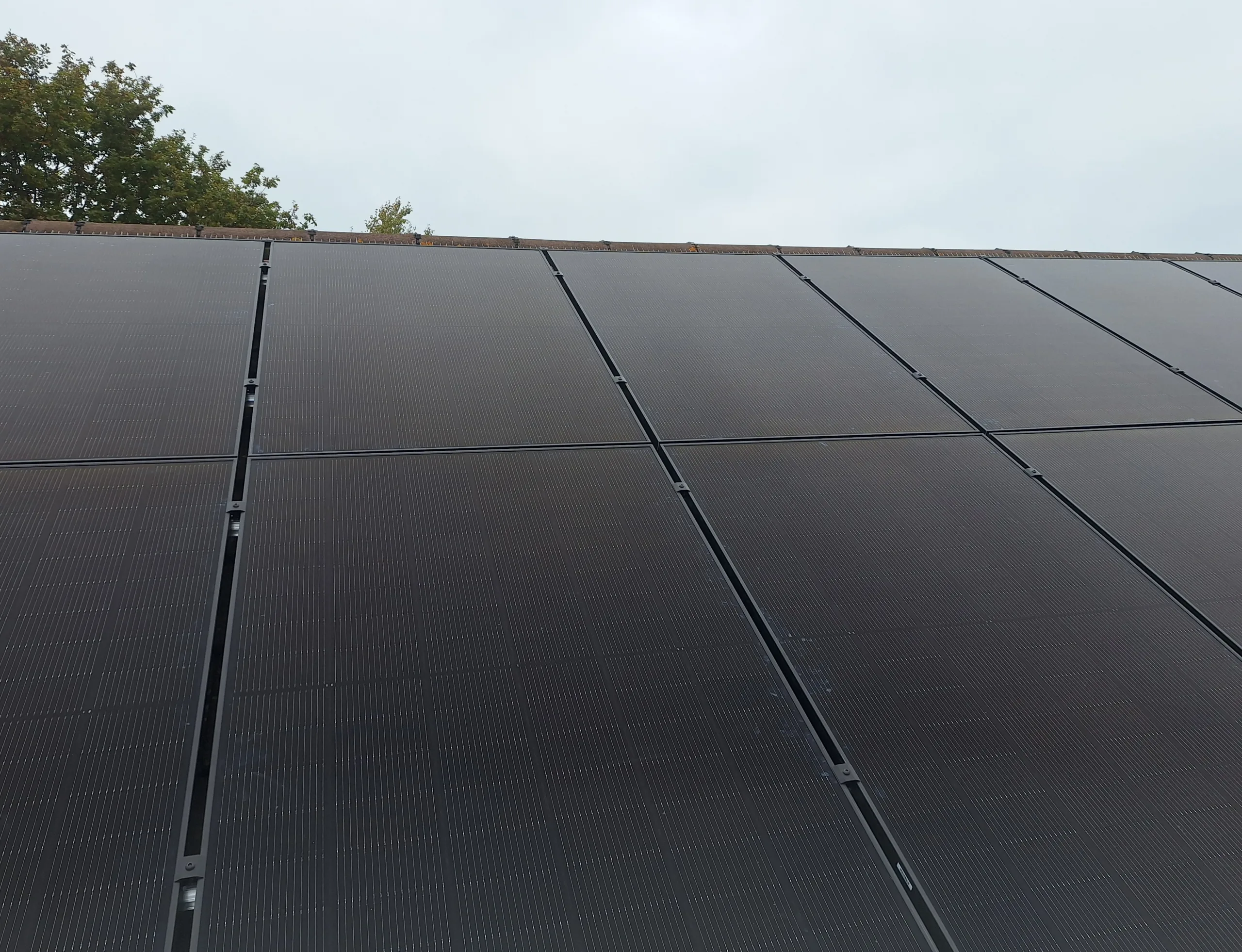
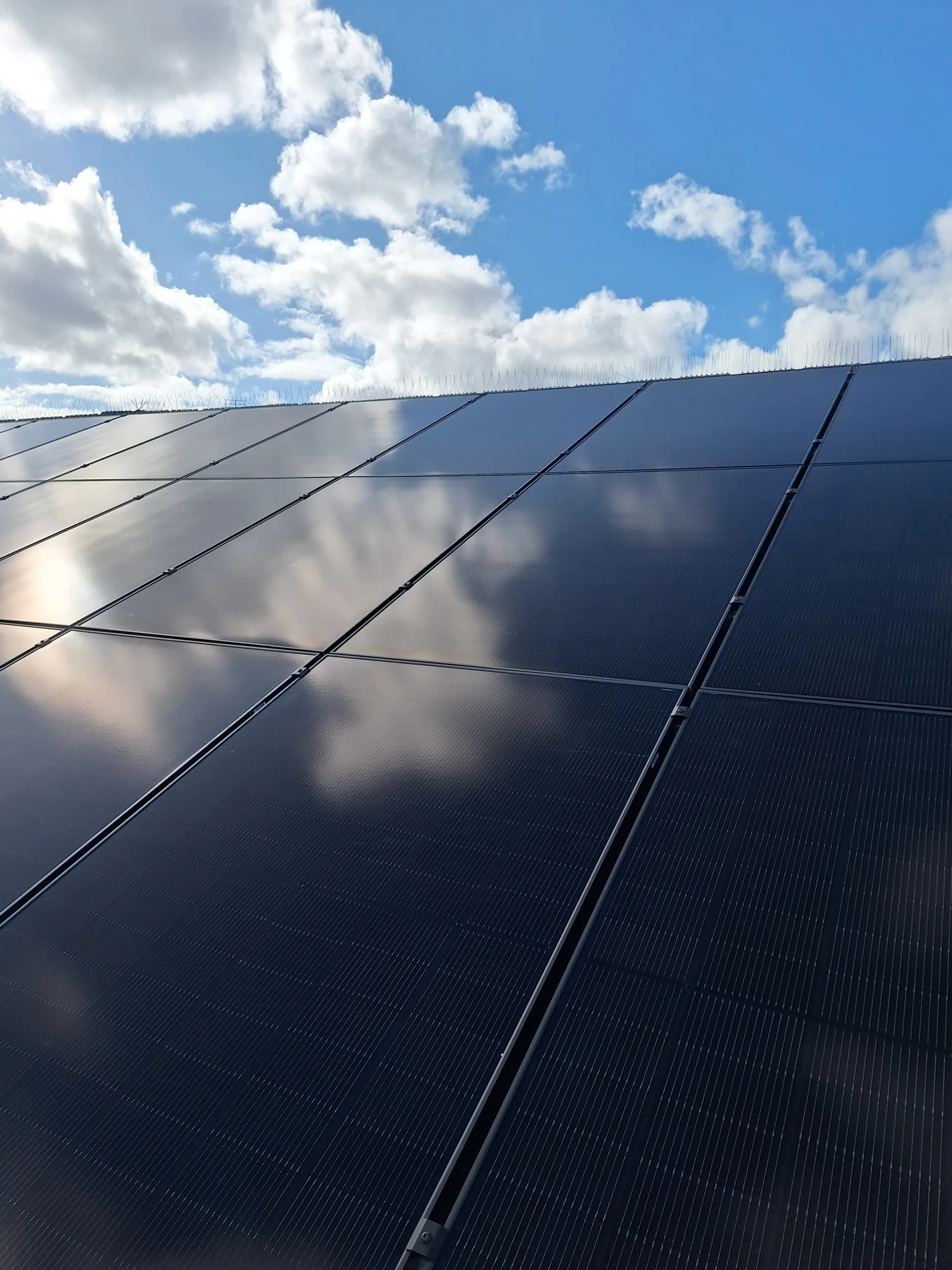
The customer wanted the largest solar system possible installed on their barn roof. We selected the high efficiency Aiko panels to maximise output.
Also they wanted enough battery capacity to cover their maximum daily power usage.
Due to National Grid requirements we need to install 2 x 3.6kW inverters rather than the planned single 10kW inverter.
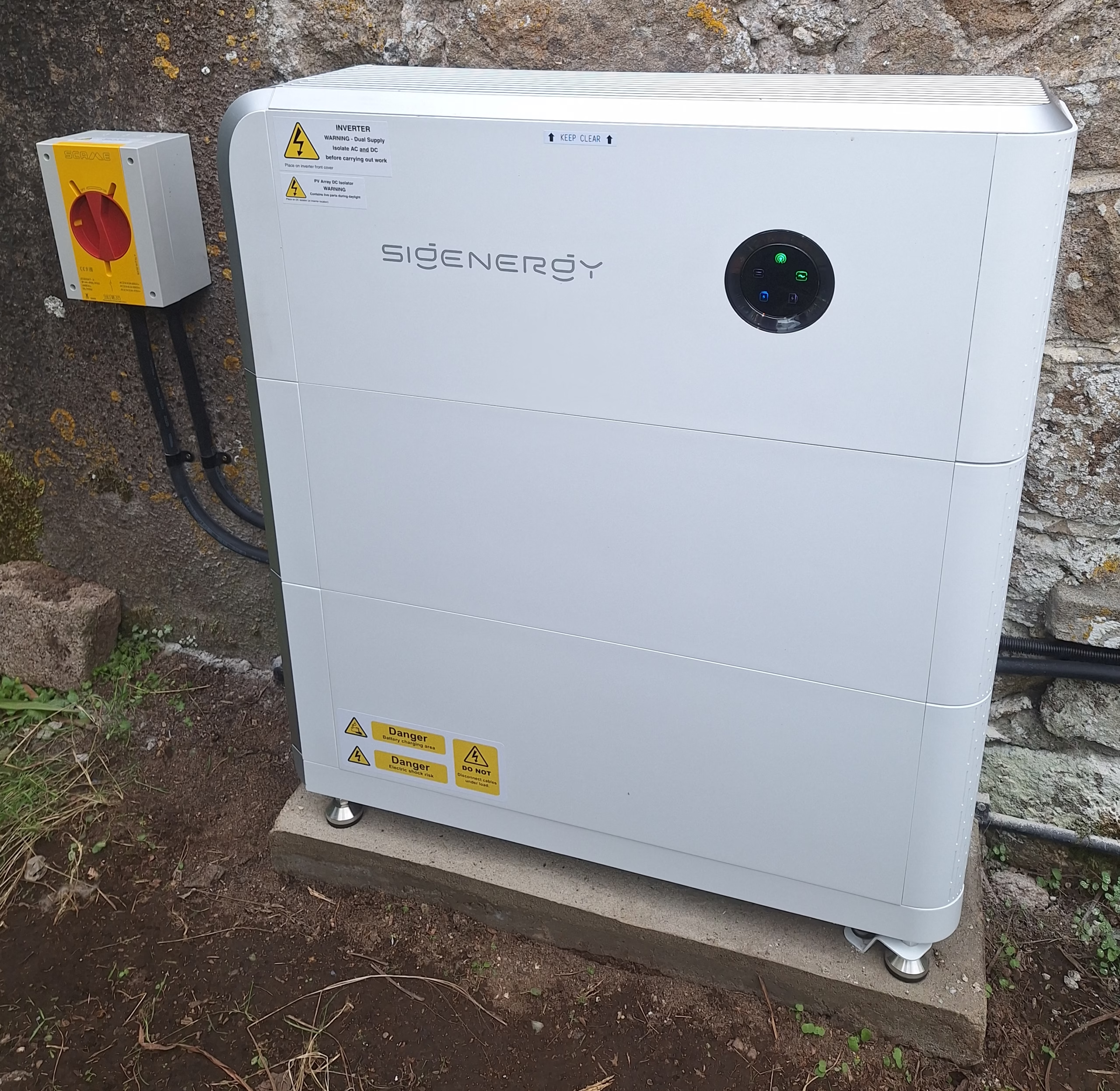
The customer already had an existing SolarEdge PV system installed.
They had been experiencing issues with both their Zappi EV charger and Eddi hot water diverter. To resolve these, we removed the wireless connections to the meters and internet and replaced them with hardwired connections, providing a more reliable communication link.
We also installed a Shelly device, giving the customer the option to choose whether their SigEnergy battery can discharge to charge the EV battery.
A SigEnergy meter was installed to monitor the existing SolarEdge solar system, allowing the customer to view their overall energy generation and consumption within the SigEnergy app.
Finally, we consolidated four existing consumer units into a single modern consumer unit, creating a much cleaner, safer and more streamlined electrical installation.

The customer already had an existing solar PV system installed, which we installed in 2015.
They wanted to add battery storage to maximise the use of their solar generation and also to allow energy to be stored at cheap night rates – to support a number of electrical appliances, including hot water.
They already had an existing electric vehicle charger and we installed a special device (Shelly EM50) to stop the home battery discharging into the EV battery. Prolonging the life of the home battery.
We also installed an Eddi to automatically divert excess solar energy to the hot water cylinder.
From the outset, we configured the system in AI Mode to maximise the benefits of Octopus Intelligent Go, creating a highly automated system that can intelligently manage when the battery charges and discharges.
In the future, the customer may also choose to integrate Axle Energy, which is compatible with both Sigenergy and Octopus Intelligent Go. This could allow the batteries to operate as part of a virtual power plant, automatically exporting stored energy when the grid needs additional support. This has the potential to provide an additional financial benefit to the customer while also helping to support a more flexible and efficient electricity grid.

The customer already had an existing solar PV system installed under the Feed-in Tariff (FIT) scheme. They wanted to extend the system and add battery storage to maximise the use of their solar generation.
Ease of use was a key priority, so we recommended a Sigenergy system configured in AI mode. This provides an intelligent, automated solution that continuously optimises energy use, generation and battery storage, creating a simple “fit and forget” system for the customer.
The property’s roof was affected by shading, so we carefully considered the number and layout of the solar panels. The array was split along the shade line, separating the shaded panels from those receiving unobstructed sunlight. This configuration prevents the performance of the shaded panels from adversely affecting the unshaded panels.
By carefully designing the array in this way, we were able to manage the impact of shading without relying on panel-level optimisers. In this particular situation, splitting the array was a simpler and more effective solution.


The customer already had a solar system installed under the Feed-in Tariff (FITs) scheme, so did not want to compromise their existing income from FITs. We therefore opted for a separate battery inverter and additional solar panels. This would allow them to charge the electric car more effectively in the summer and store energy at cheap rates overnight in the winter.
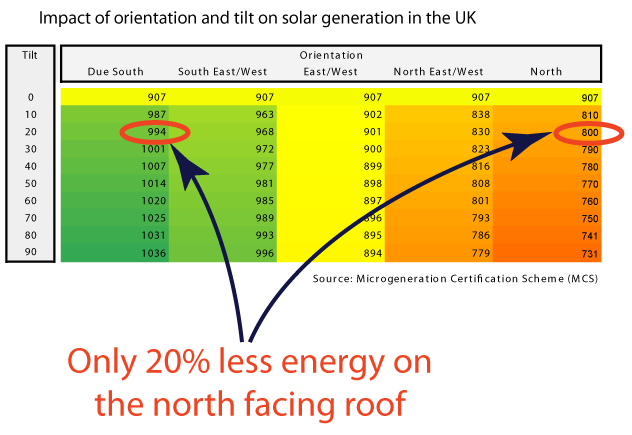
The roof space was extremely limited so we installed 4 panels on the north and south elevation. Having a low pitch, the north roof should produce 80% of the energy compared to the south roof.
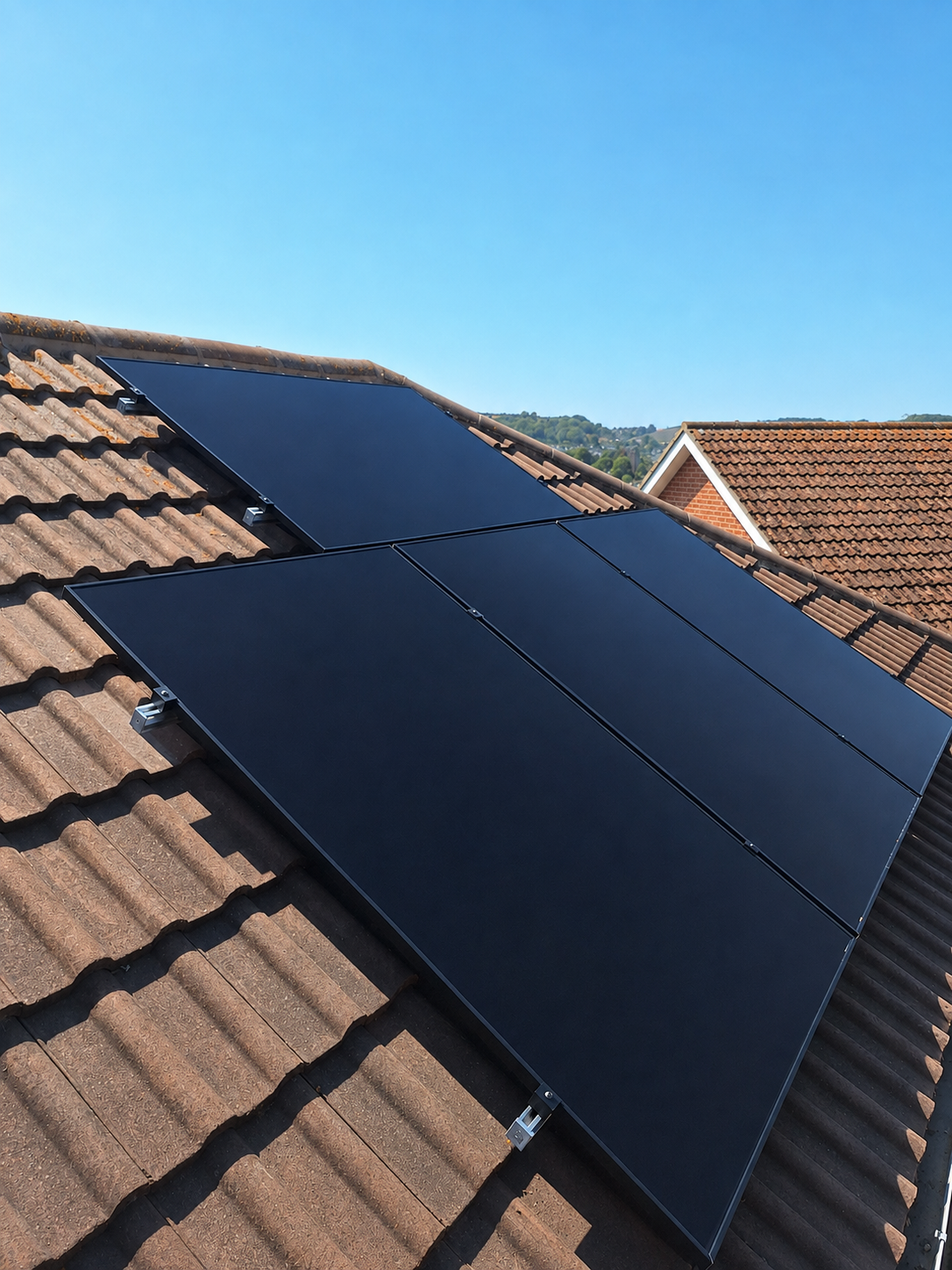


The customer already had an existing feed-in tariff system.
They then fitted an AC coupled battery to help power their heat pump.
They wanted additional solar panels to be attached to their AC coupled battery to assist with charging their car.
It was a complex analysis to work out which roof to use, since one had a smaller available space and shade from a tree, while the other was shaded by a flue.
We decided to use Tigo optimisers to minimise the impact of shade on the solar system.


The roof space was extremely limited on the south elevation, which was unusually at a pitch of 80 degrees.
The customer wanted a system to match her consumption, so we opted for a medium sized system on the north elevation. Surprisingly, north facing roofs at a lower pitch provide 80% of the energy of a south facing roof!
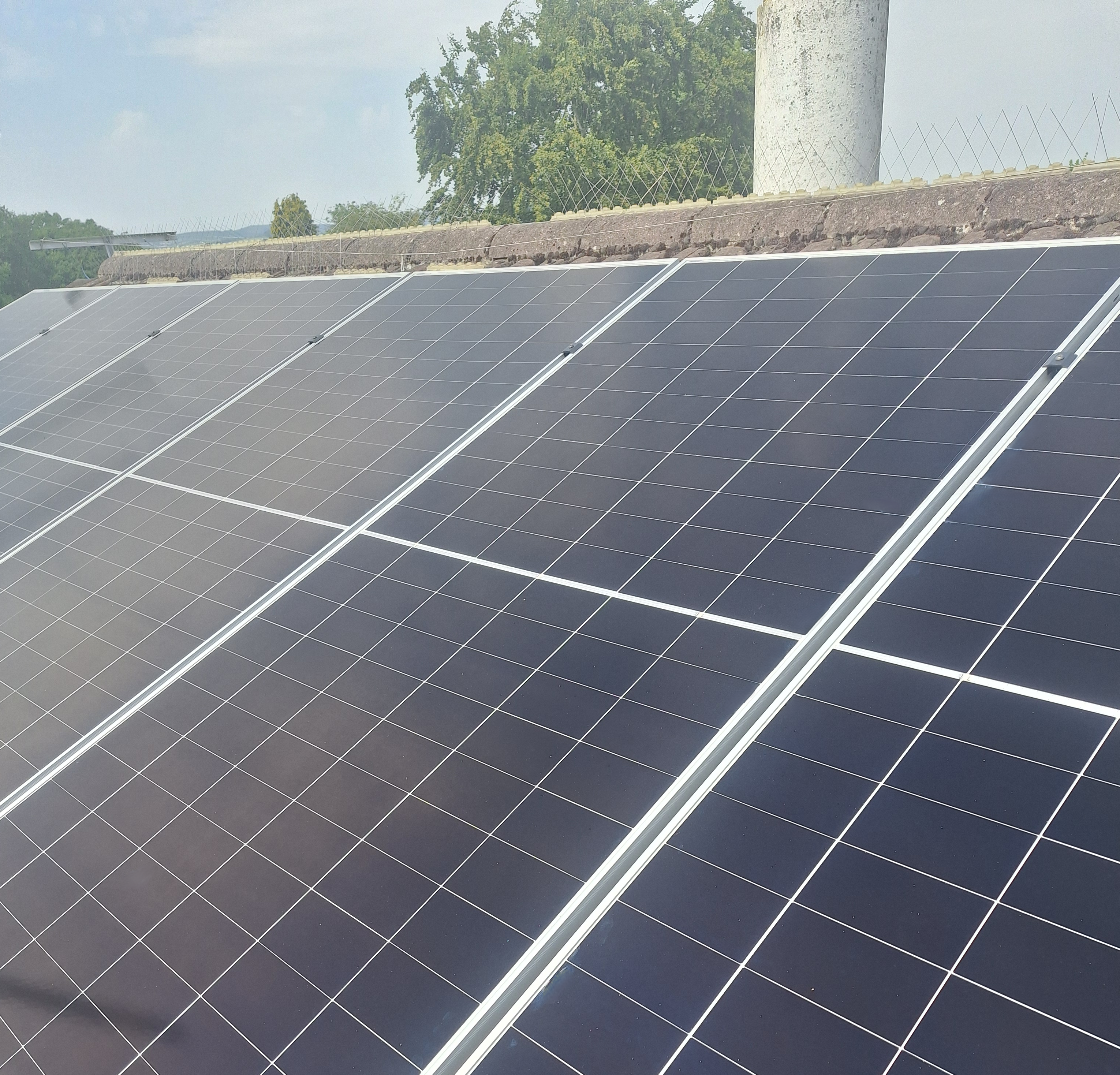
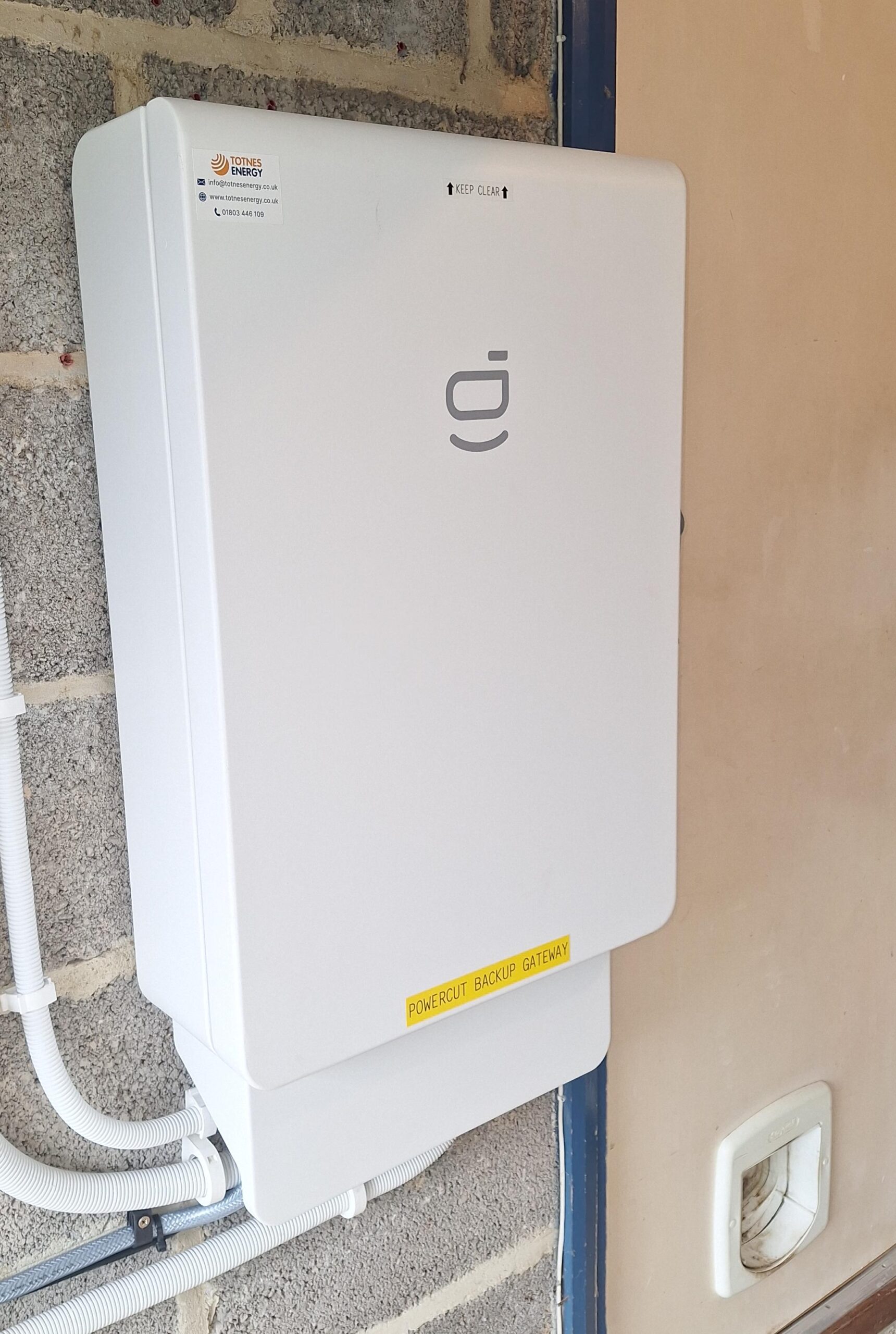
The roof space was extremely limited in size due the length of the south facing roof being very short. We selected six larger format panels with 650W output, giving a total generation of 3.9kW. The customer also wanted backup and a hot water diverter which we were able to do using the Smart Port on the power cut backup gateway. We removed the existing solar thermal and feed-in tariff solar PV system and replaced we an entirely new system.
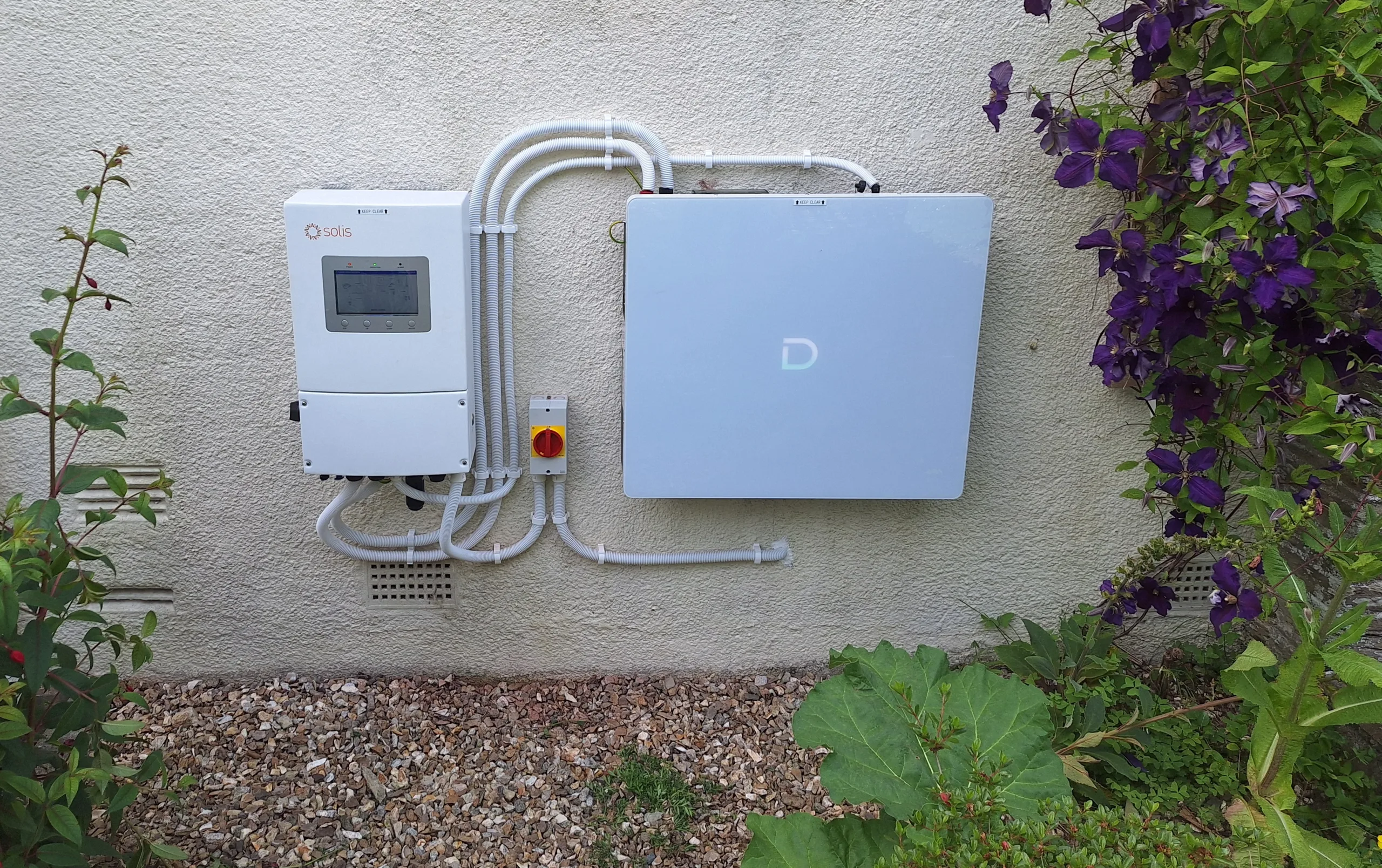
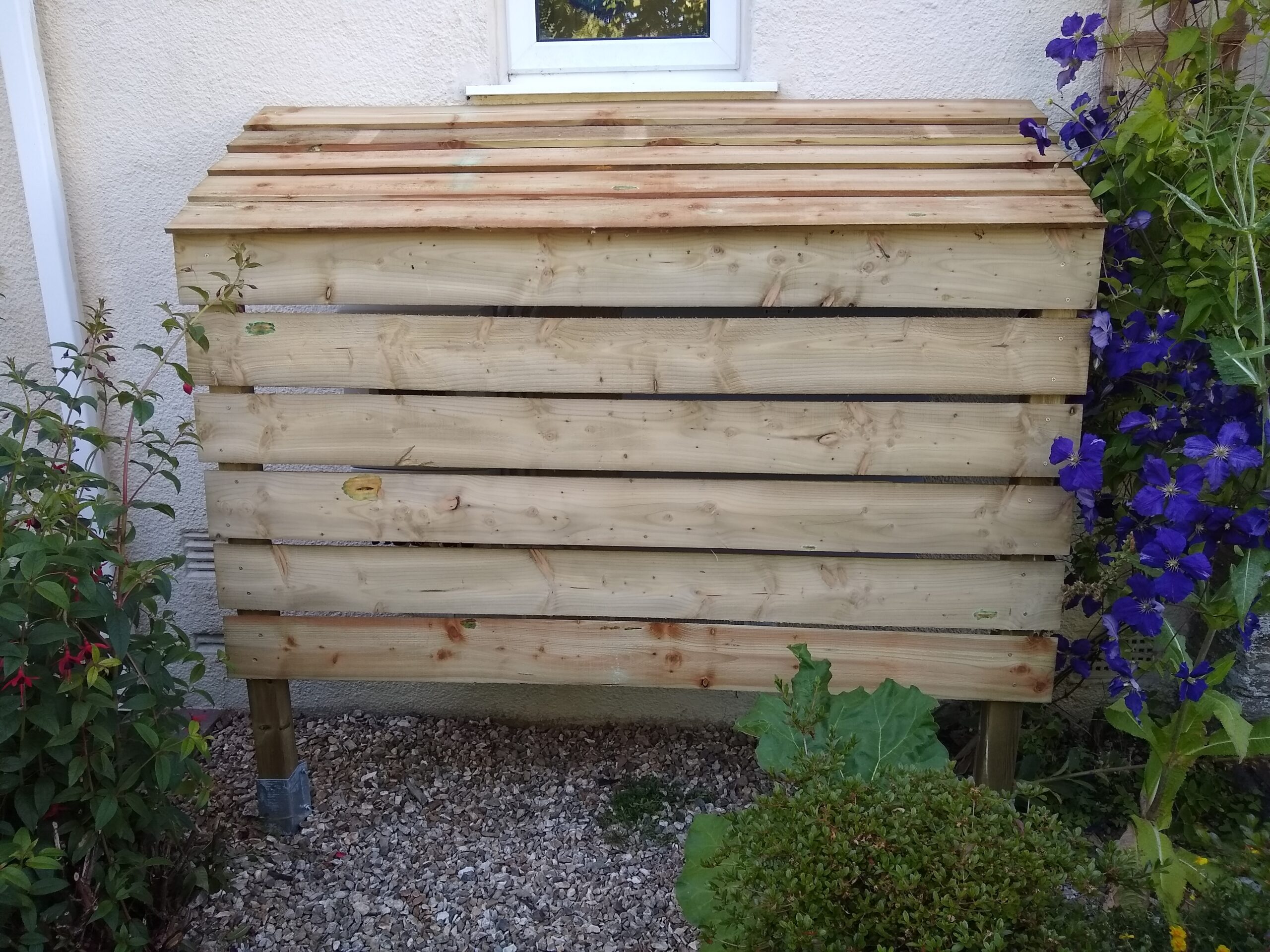
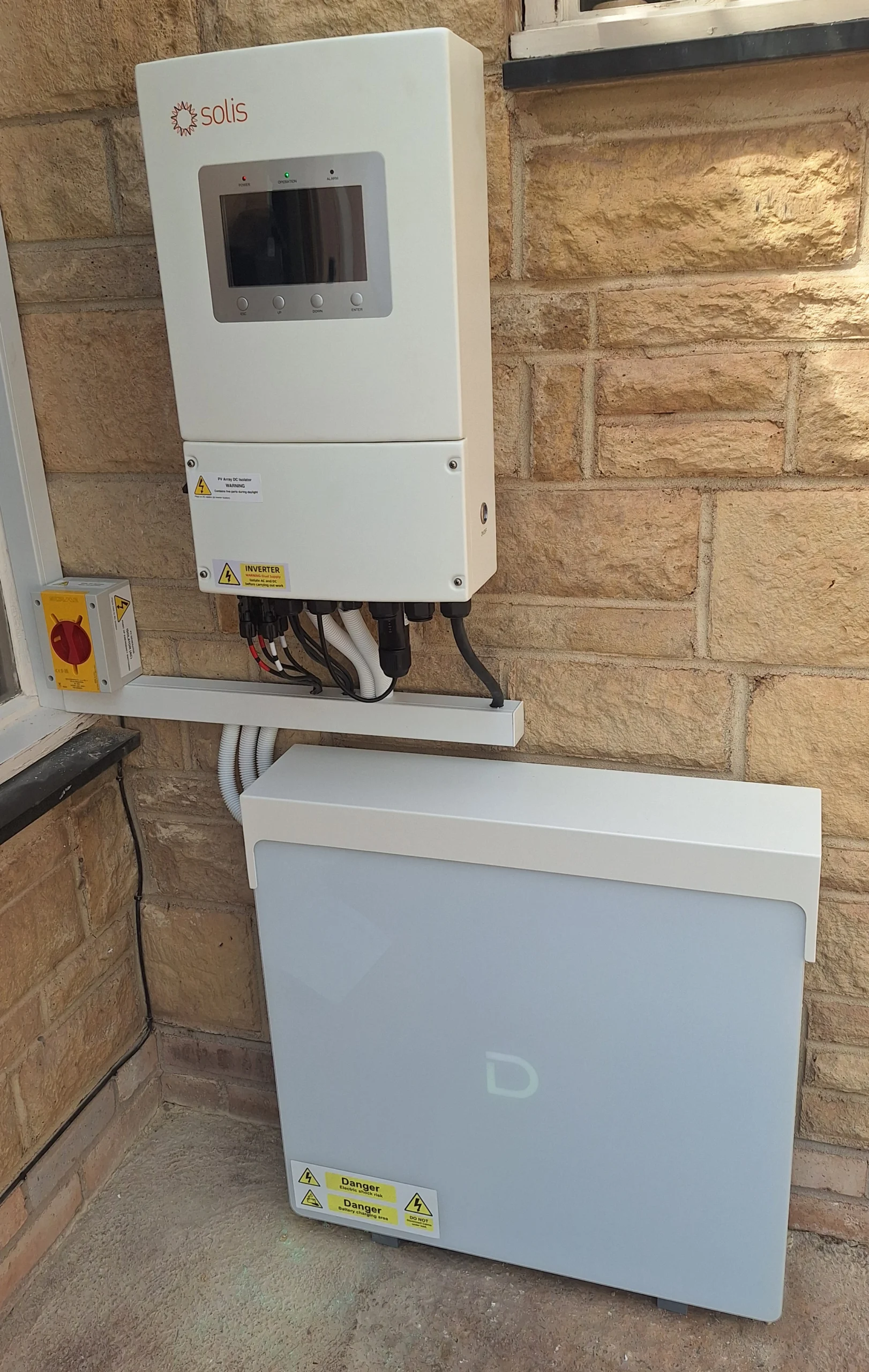
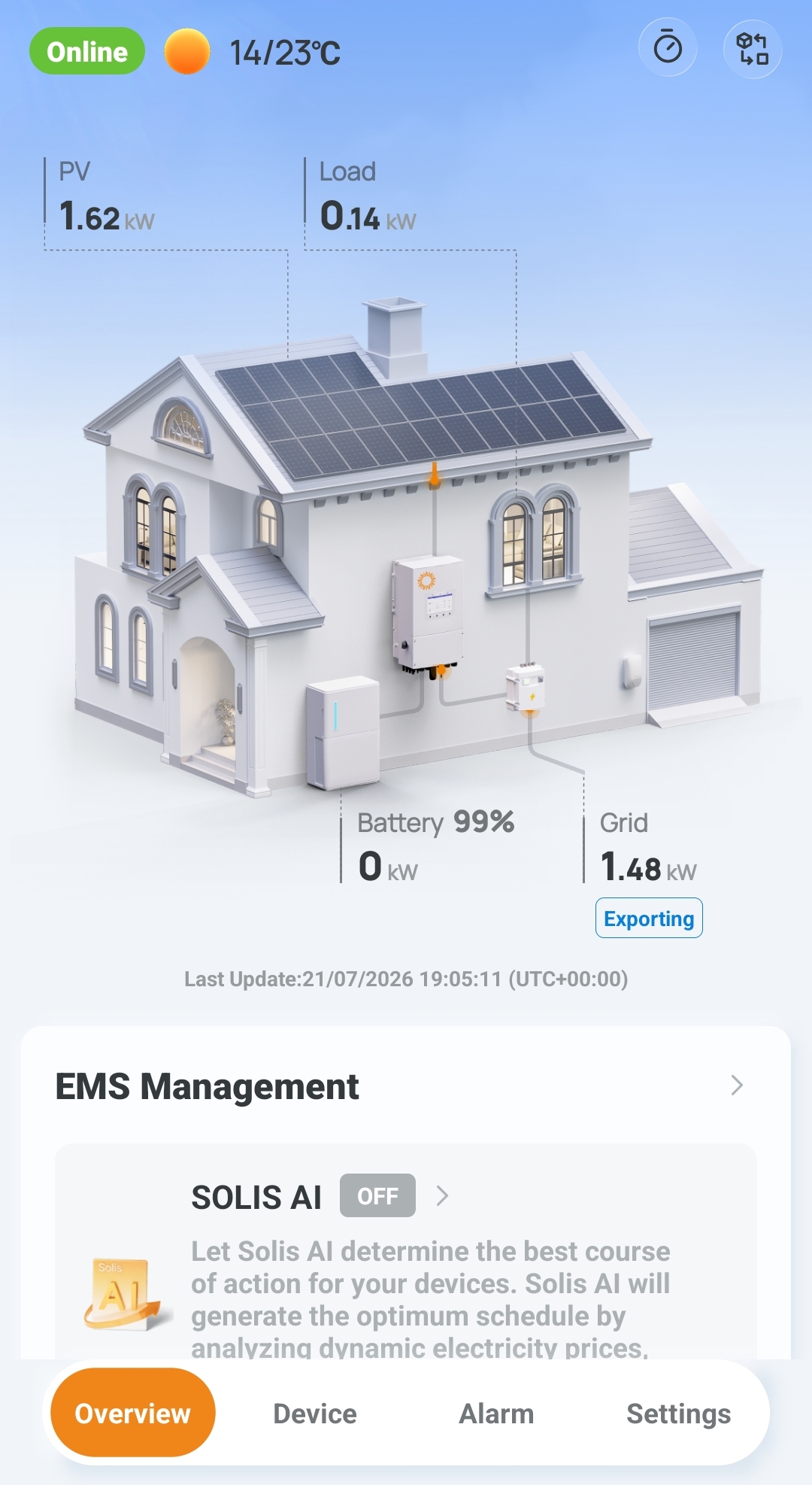
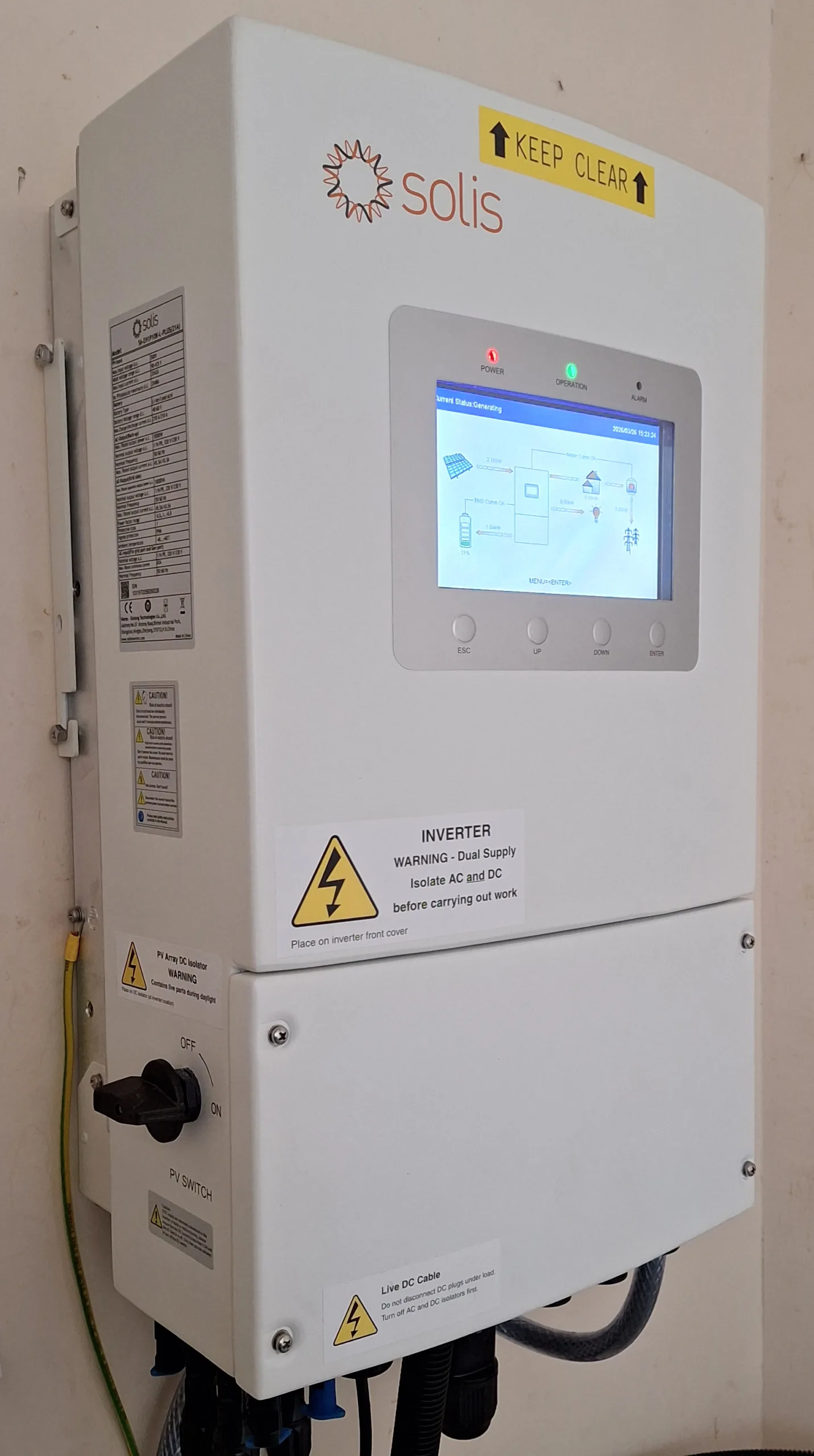
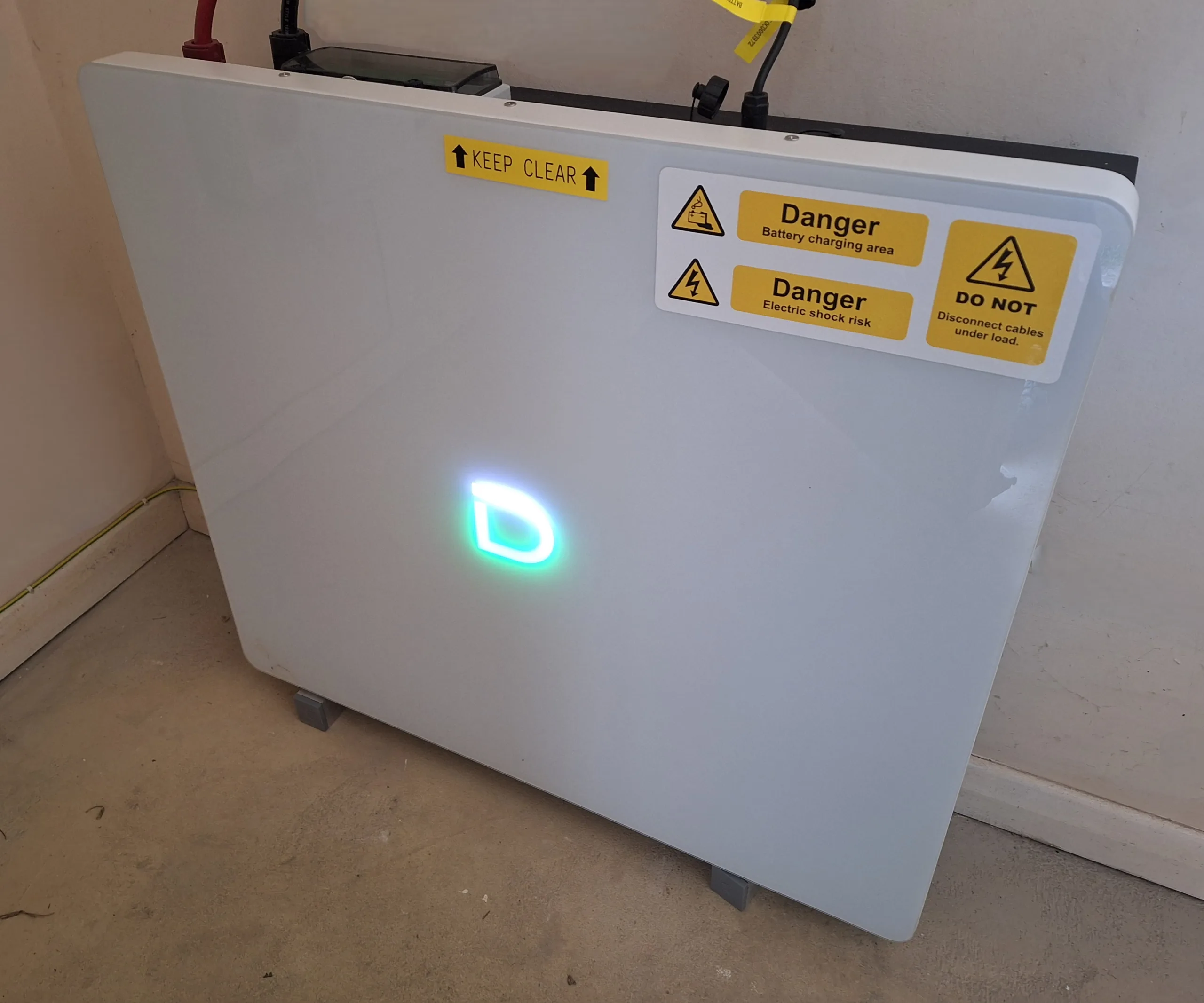
The customer had an existing feed-in tariff system and wanted to add a battery to store the solar energy. We chose Dyness since the battery has heated cells for outdoor installation. We chose a Solis inverter since we have been using them since 2013 and they have proven to be very reliable. The Solis inverter also has a screen to control the system, so the inverter and battery can be controlled if there is no internet. The Solis inverters are compatible with many batteries, making them very resilient.
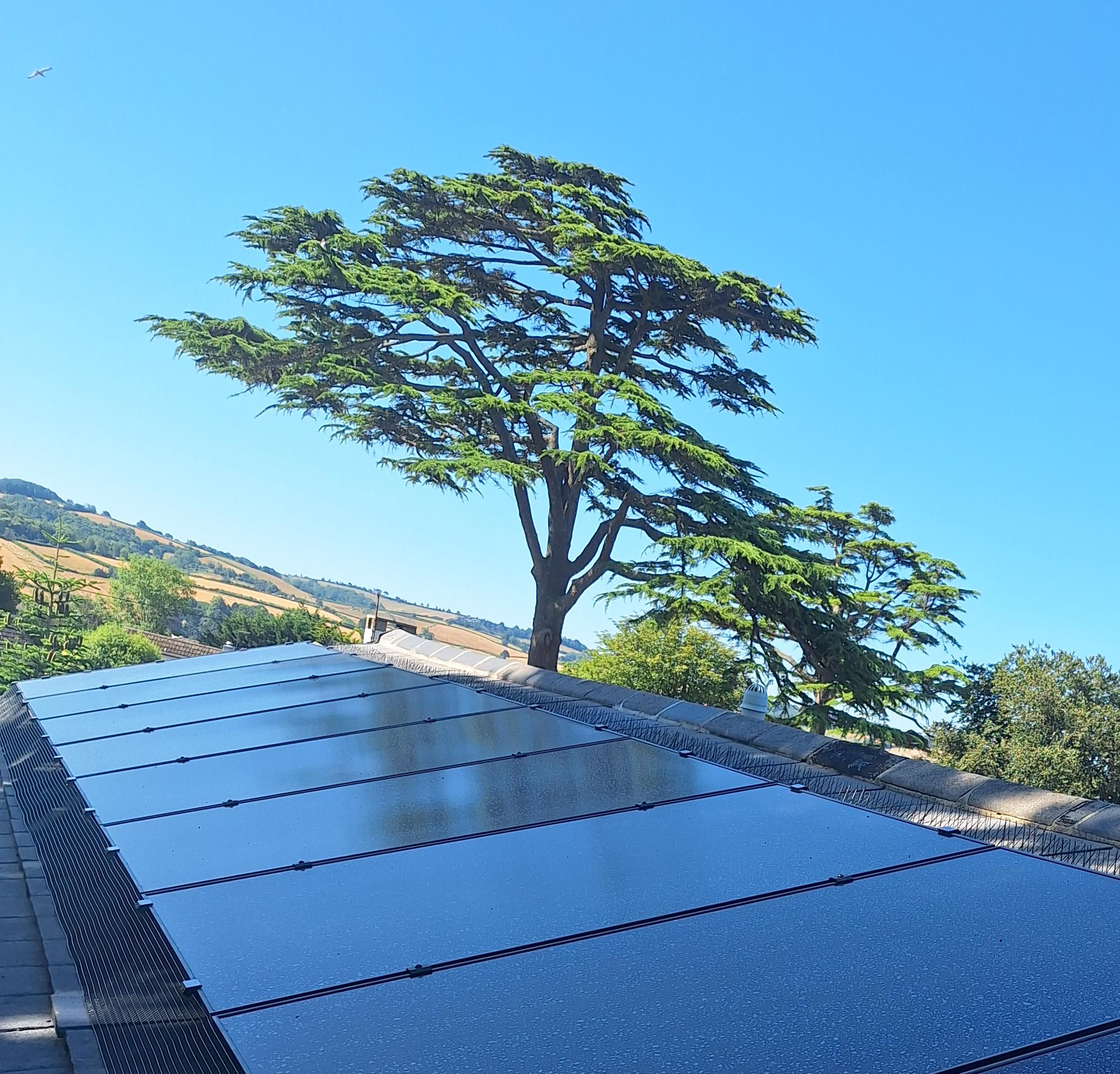
The customer wanted the largest solar system possible without the risk of compromising the integrity of the large flat roof. We installed on four separate pitched roofs (including the north facing roof). The largest roof had significant shade from an oak tree, so we specified Aiko panels (with advertised better shade performance) with Tigo optimisers to maximise output.
There were squirrels around, which can cause a significant amount of damage to solar systems, so we fitted black wire mesh around the system. The wire mesh causes a lovely platform at the top of the panels for nesting birds so we fitted black stainless steel bird spikes along the top edges.
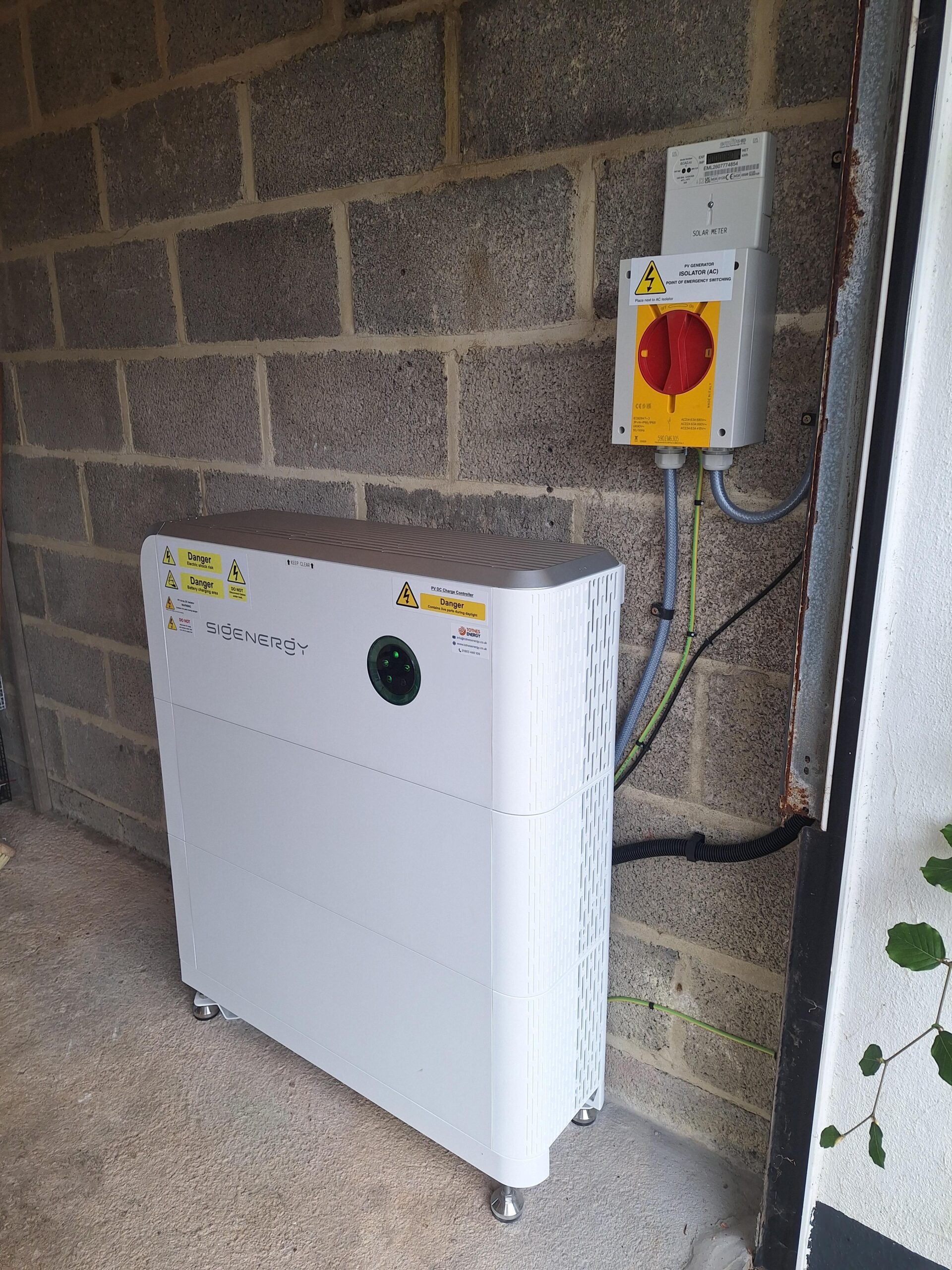
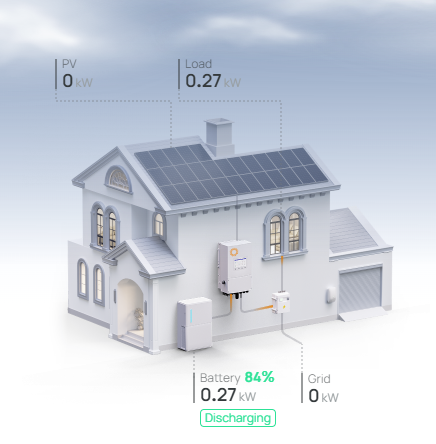
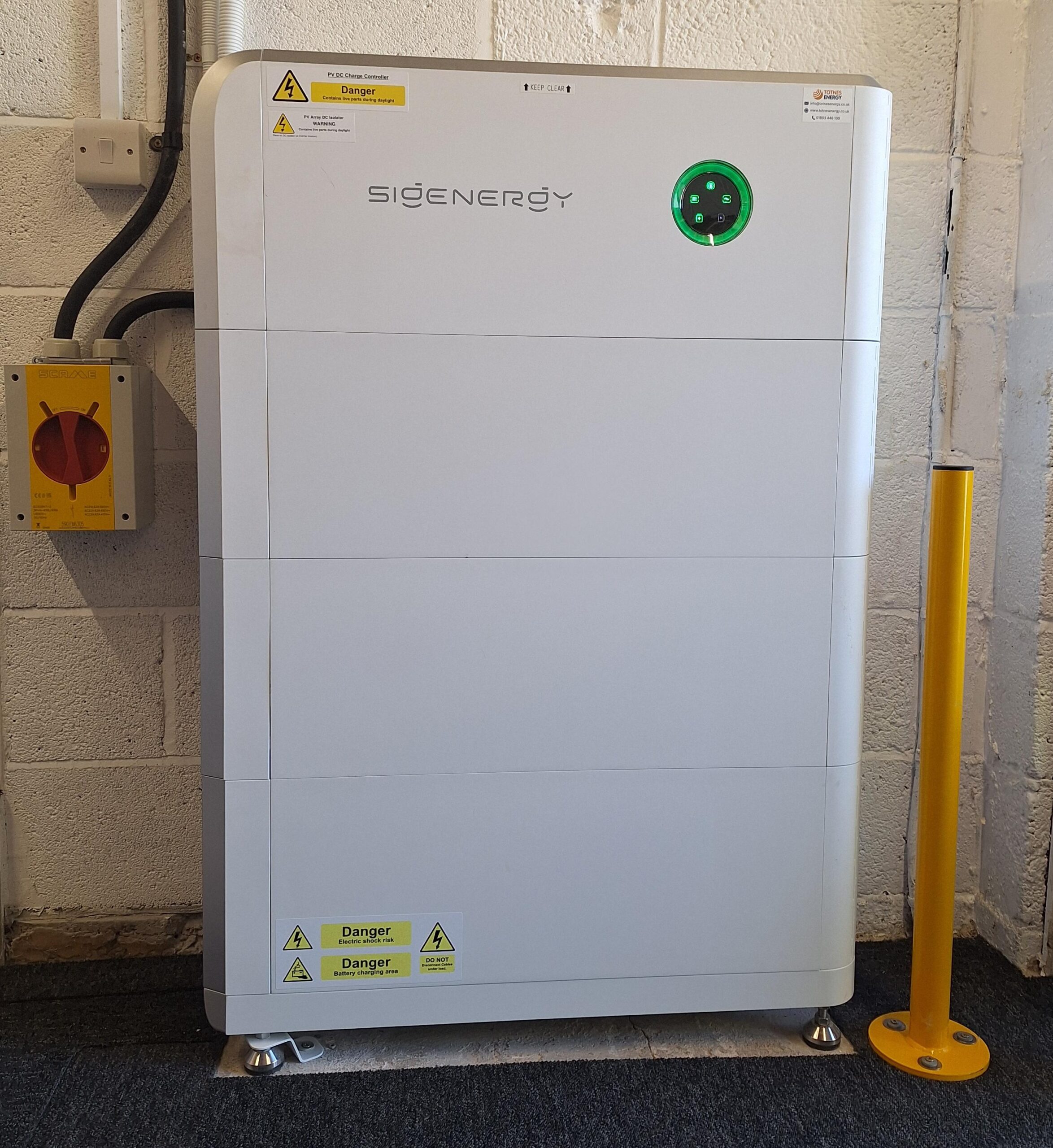
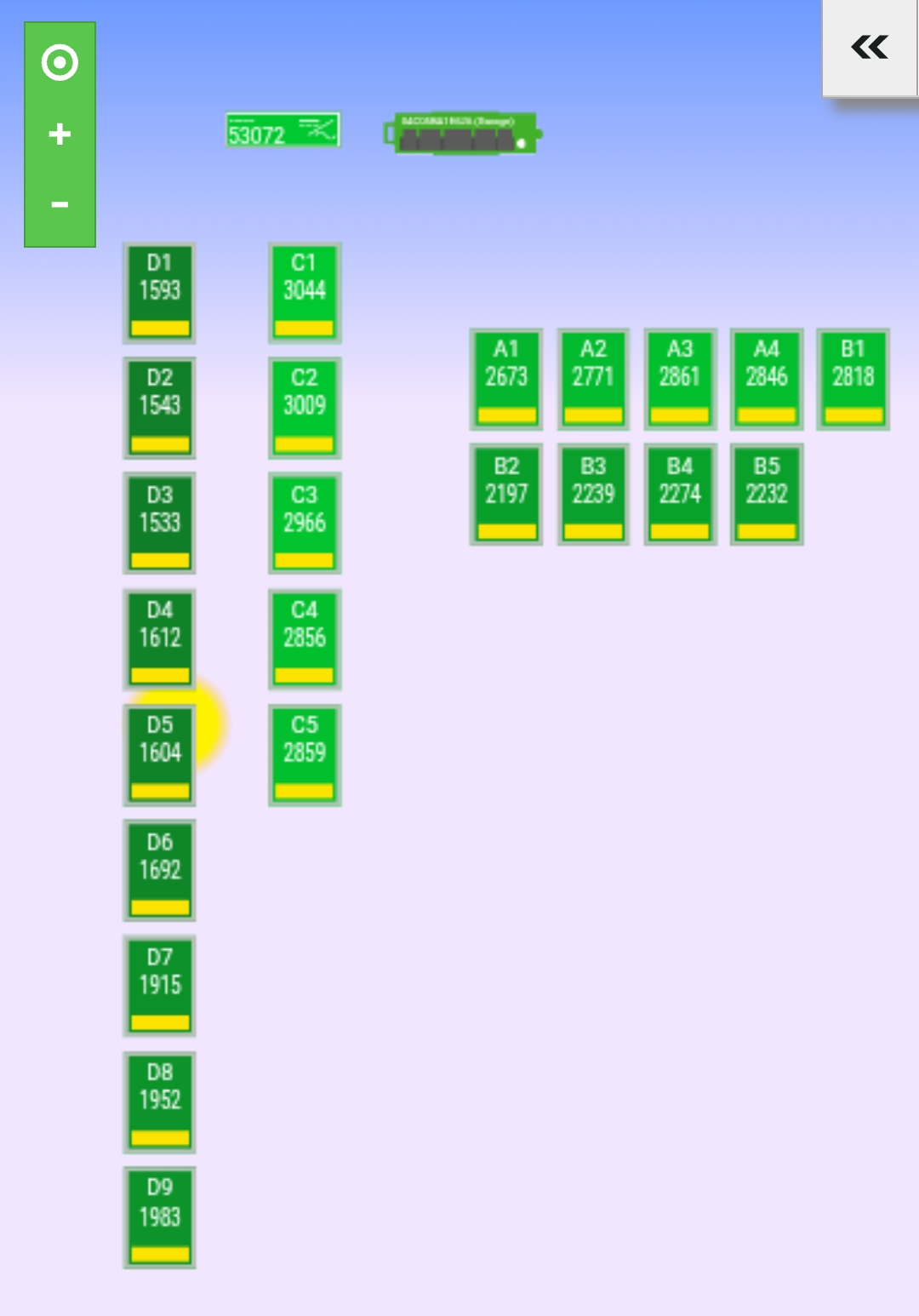
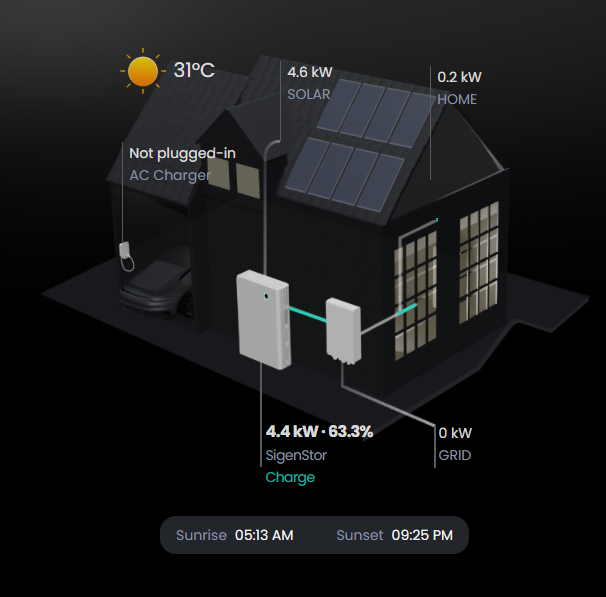
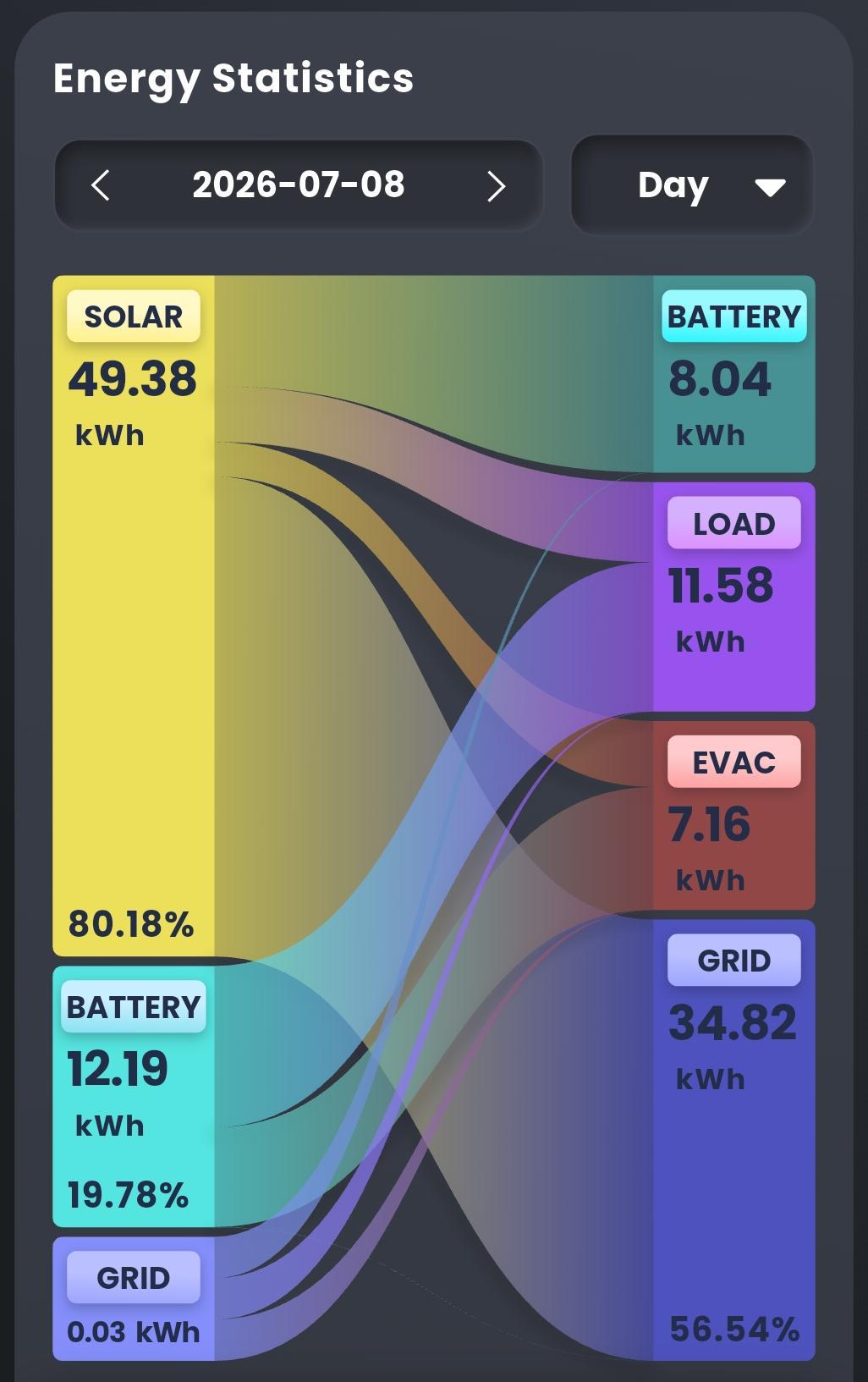
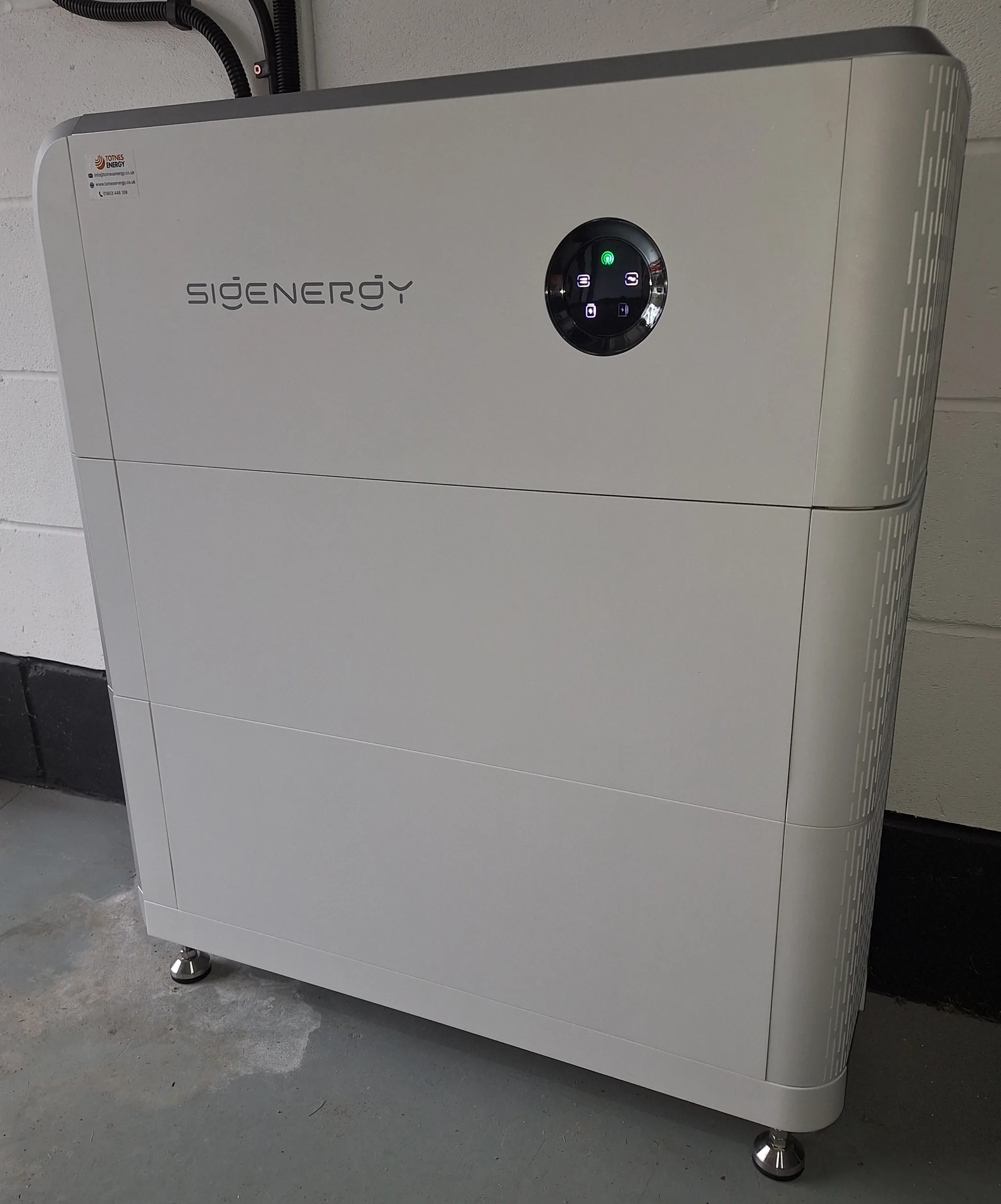
The solar system automatically feeds the home; then charges the SigEnergy home battery; and finally fills the EV car battery. The system will automatically charge the car and home battery overnight at cheap overnight rates if it sees the weather the next day is not sufficient to cover average home energy needs.
The customer wanted a solar system on a building within the grounds of a listed building. The customer therefore needed to apply for planning permission before starting the installation of solar panels. They wanted a system with basic power cut backup capability, so we fitted a double socket so they could plug in their freezer in the event of a power cut.
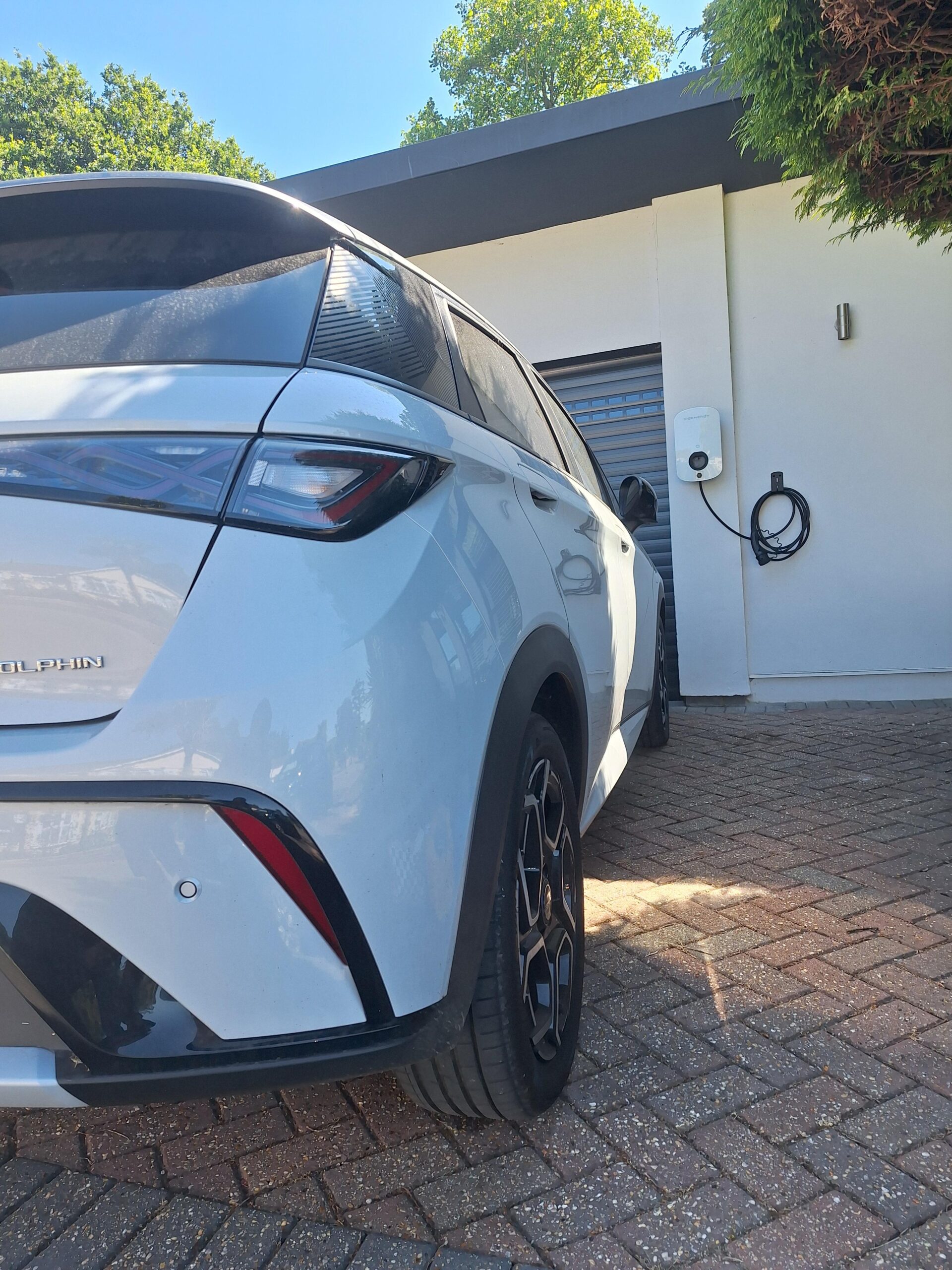
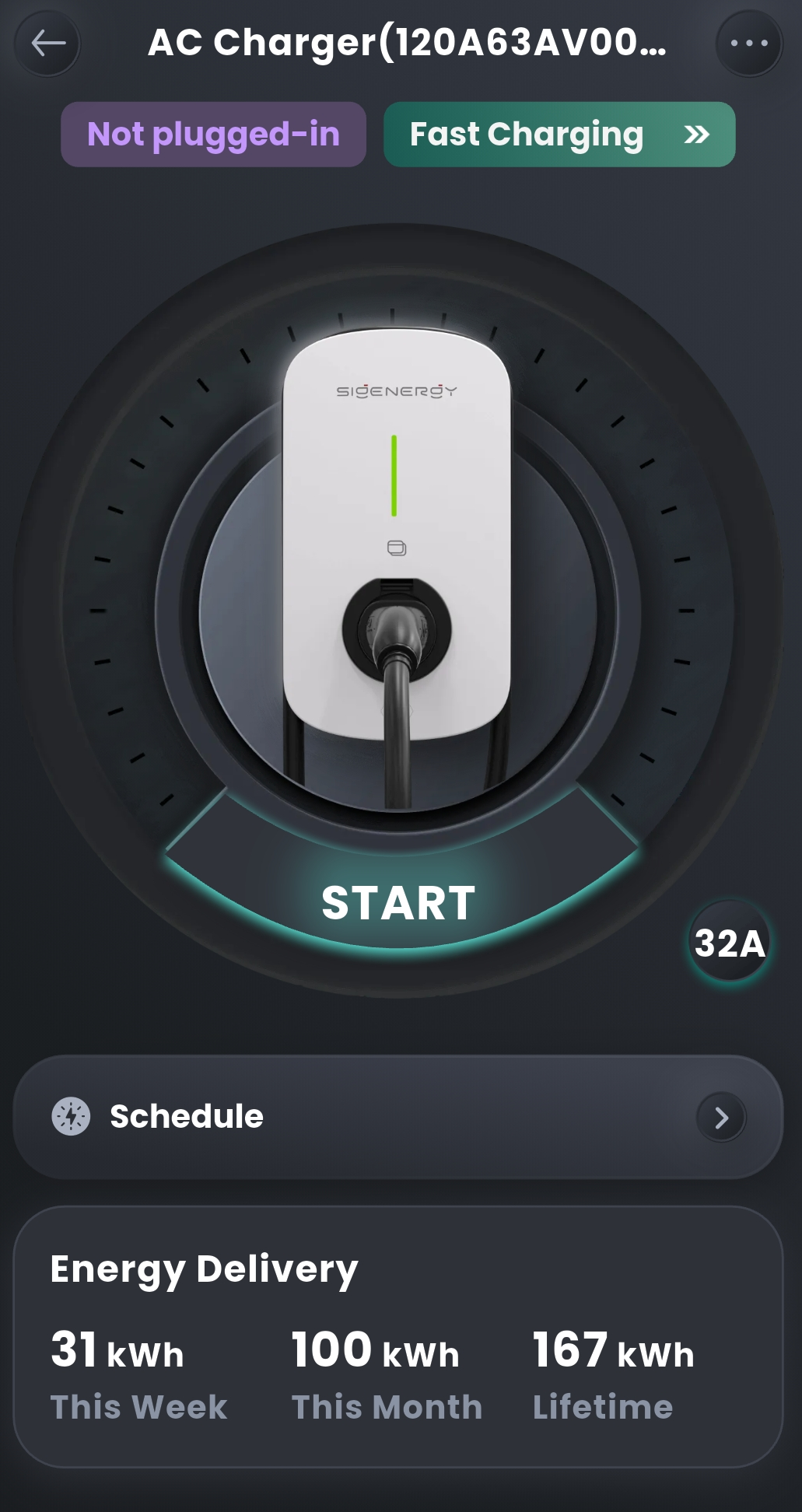
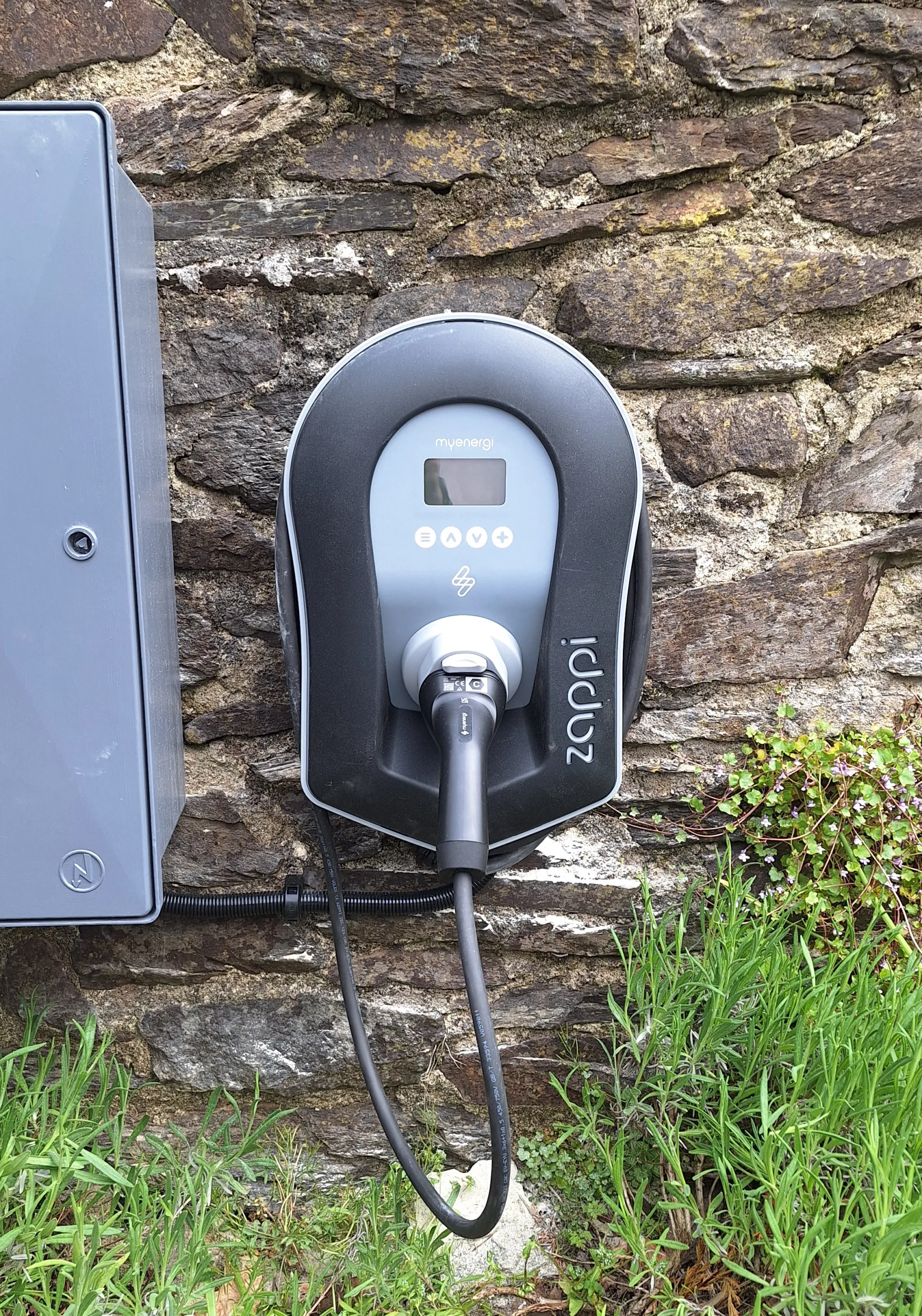
We also fitted a Zappi car charger so they can benefit from the lower Octopus Intelligent Go tariffs to charge the EV battery and home battery at cheap rates overnight.
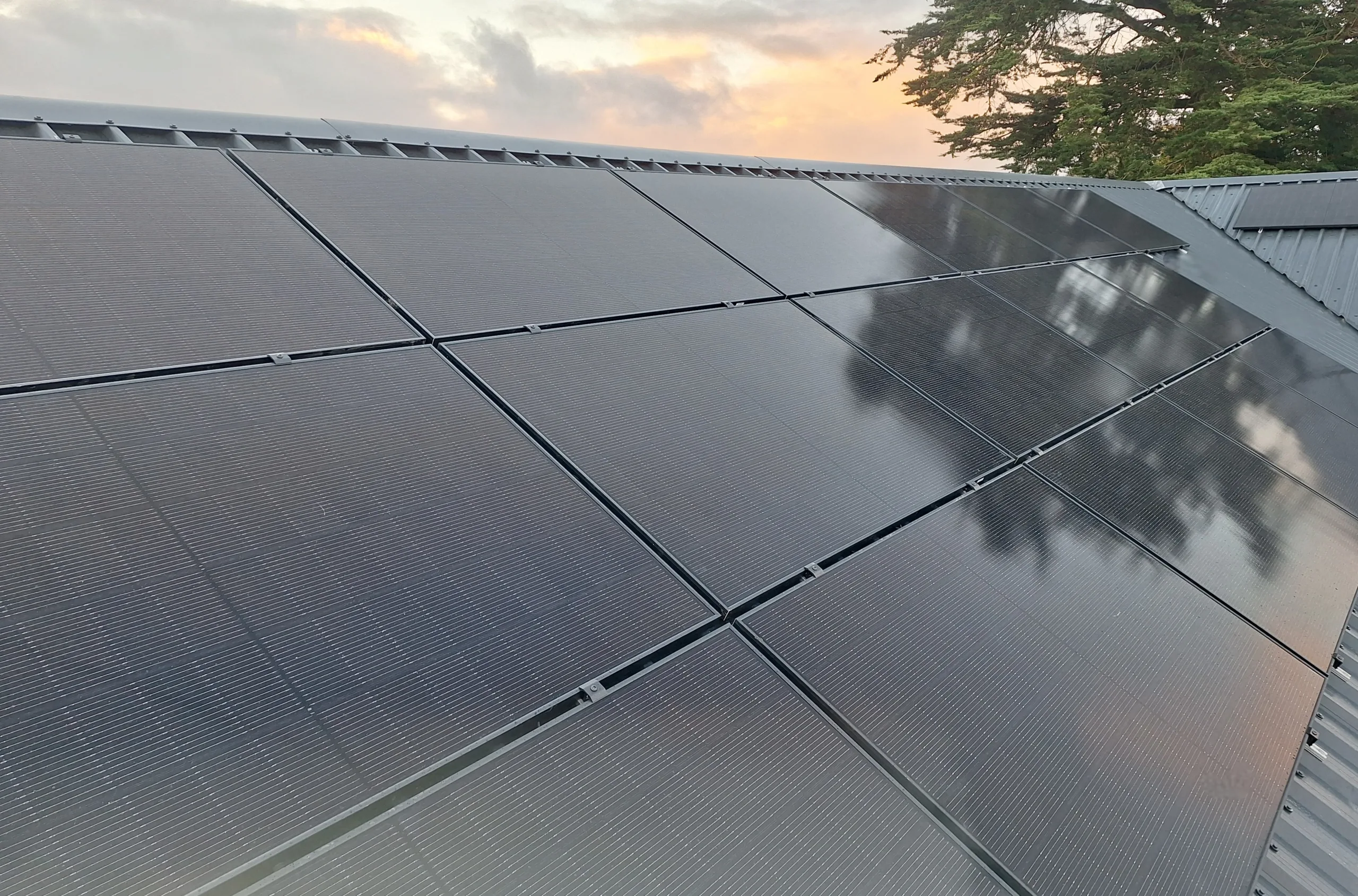
The customer was building a new property and wanted to run the property entirely from electricity. They installed 3 phase to the property to allow a high level of solar and battery export. They chose 24kW of solar; 20kW energy controller; 40kWh of battery storage; and whole home power cut backup.
The large energy controller allows them to charge and discharge the battery at 18.4kW. In the winter, the 40kWh battery allows them to store cheap overnight electricity for use in heating during the day – a modern night storage heater. In the summer, spring and autumn the solar system should cover the energy needs of the property.
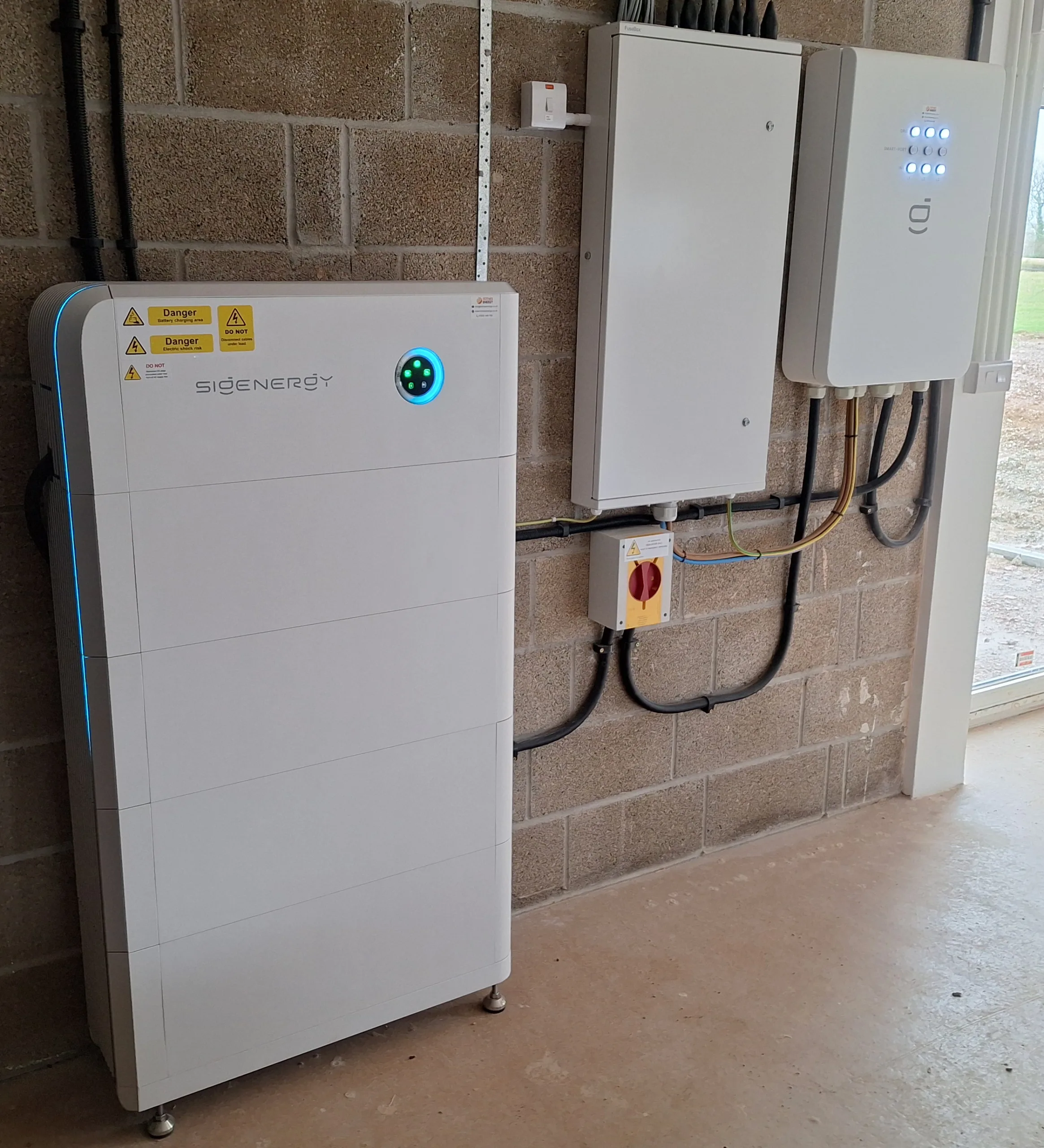
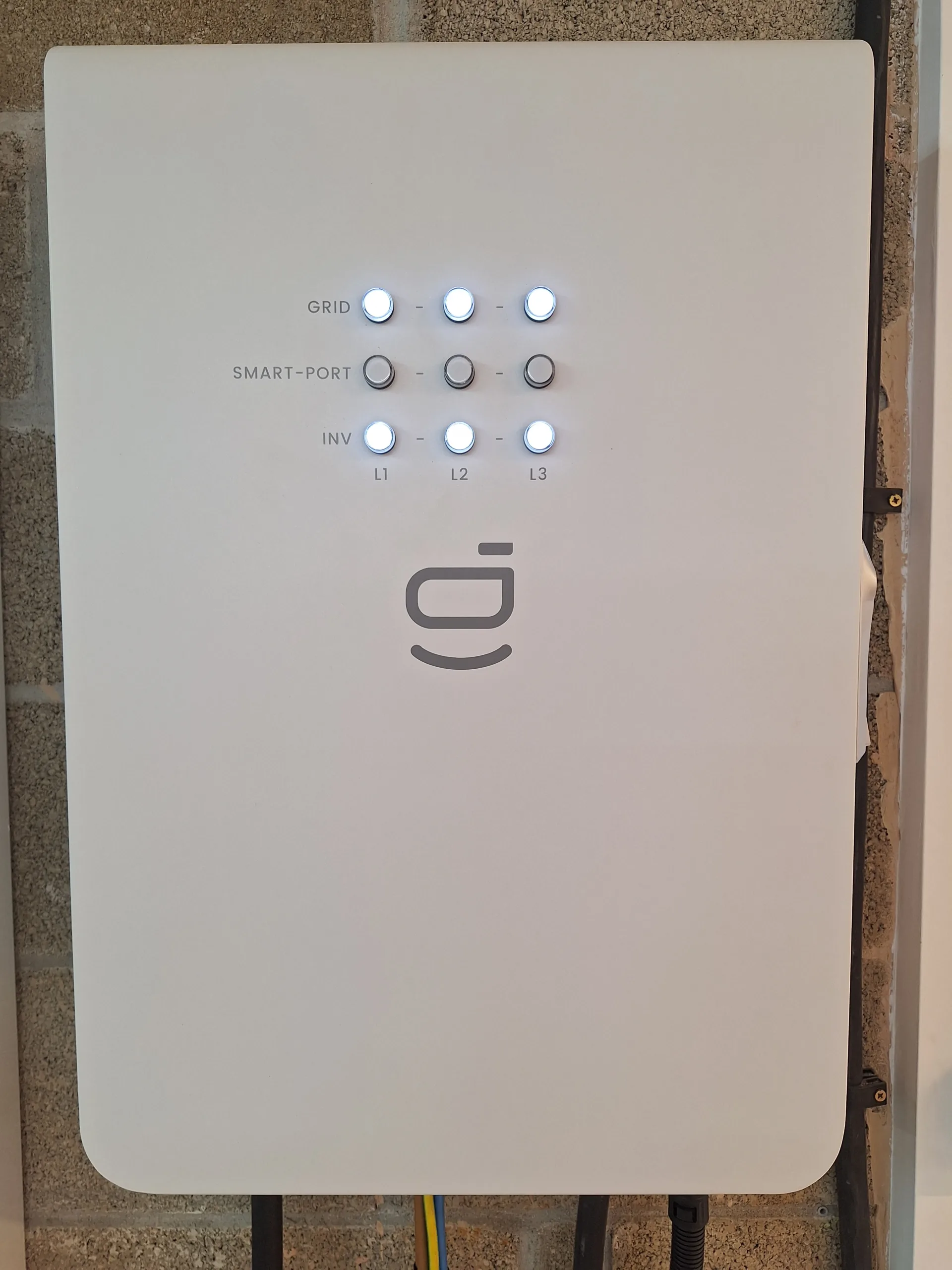
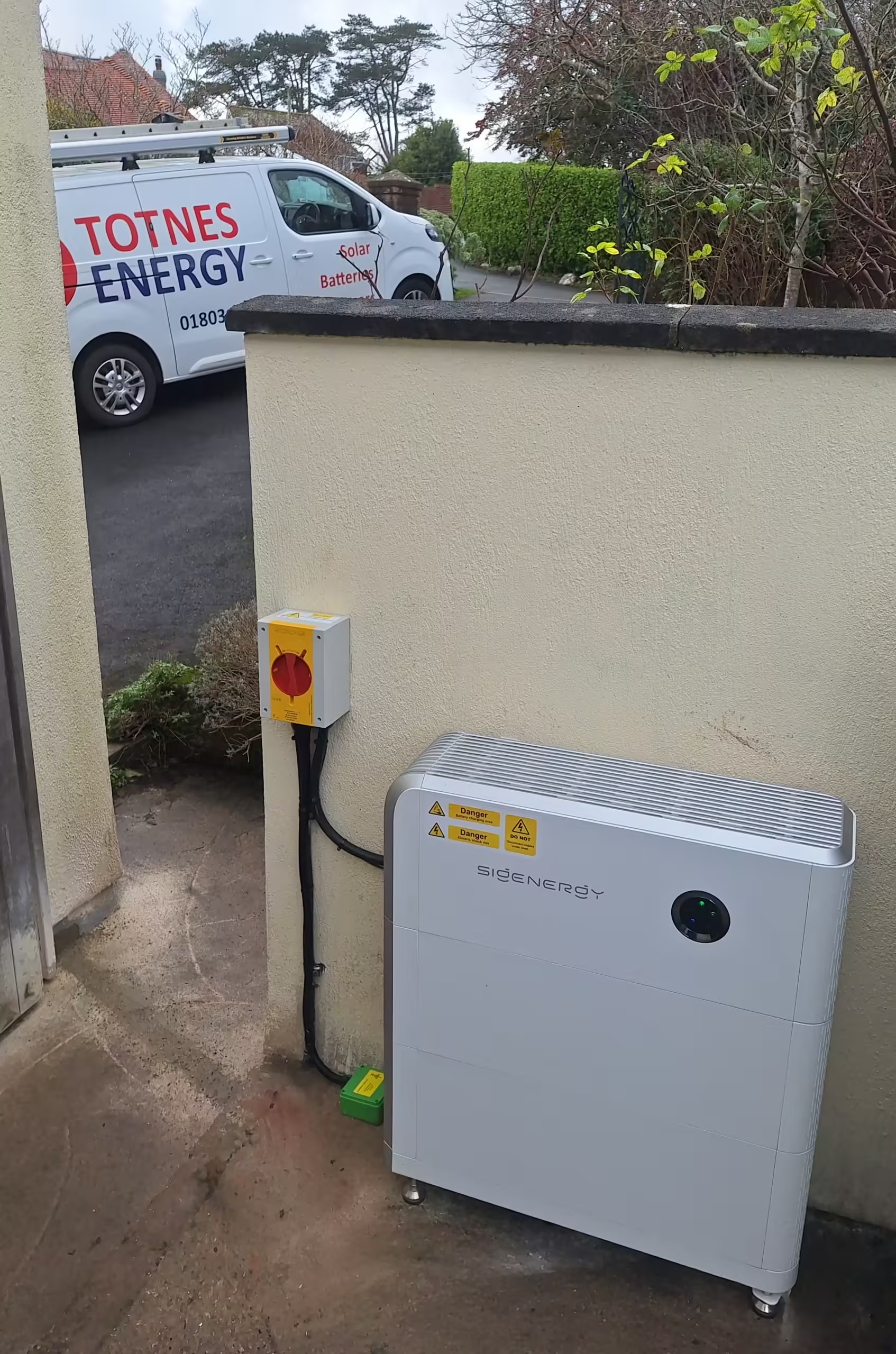
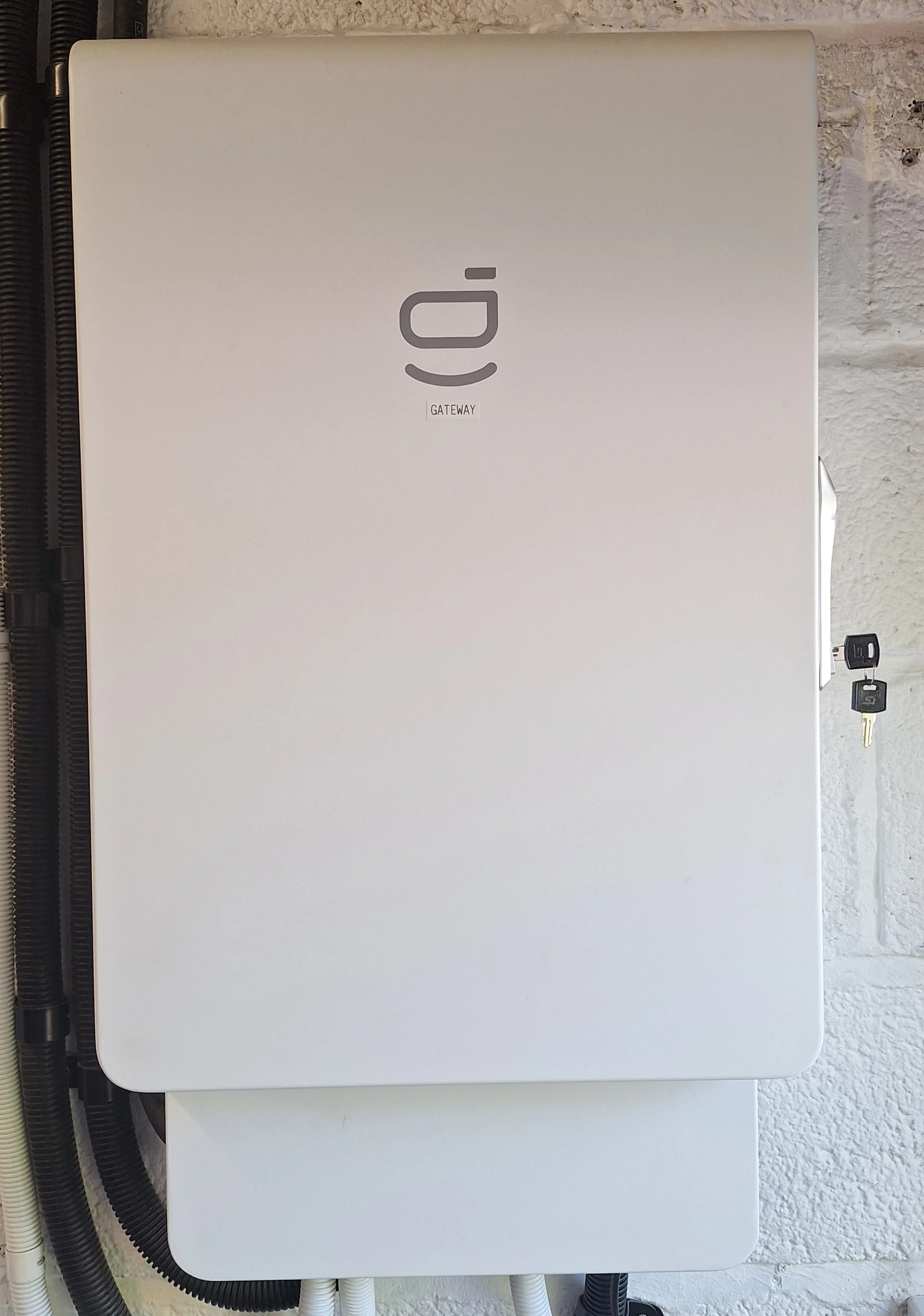
The customer had an existing solar system on lucrative feed-in tariffs which they wanted to keep. We installed a AC coupled 10kW energy controller; 20kWh of battery storage and a gateway so the customer could go off-grid during a power cut. They wanted a simple to use system, which is what SigEnergy offers. The AI Mode is designed to be a “set-and-forget” feature, providing a higher level of intelligence than traditional, time-based, or manual settings.
The AI mode considers:
- Tomorrow’s weather forecast to determine whether to charge overnight or let the solar charge the battery the next day.
- Consumption patterns.
- Energy supplier tariffs at different times of the day – it can even look at half-hourly supplier rates.
It even let’s you know what its plan is in the next 24 hours and explains the strategy!
The customer designed some custom made canopies in stainless steel and acrylic which look absolutely amazing – see photos below.
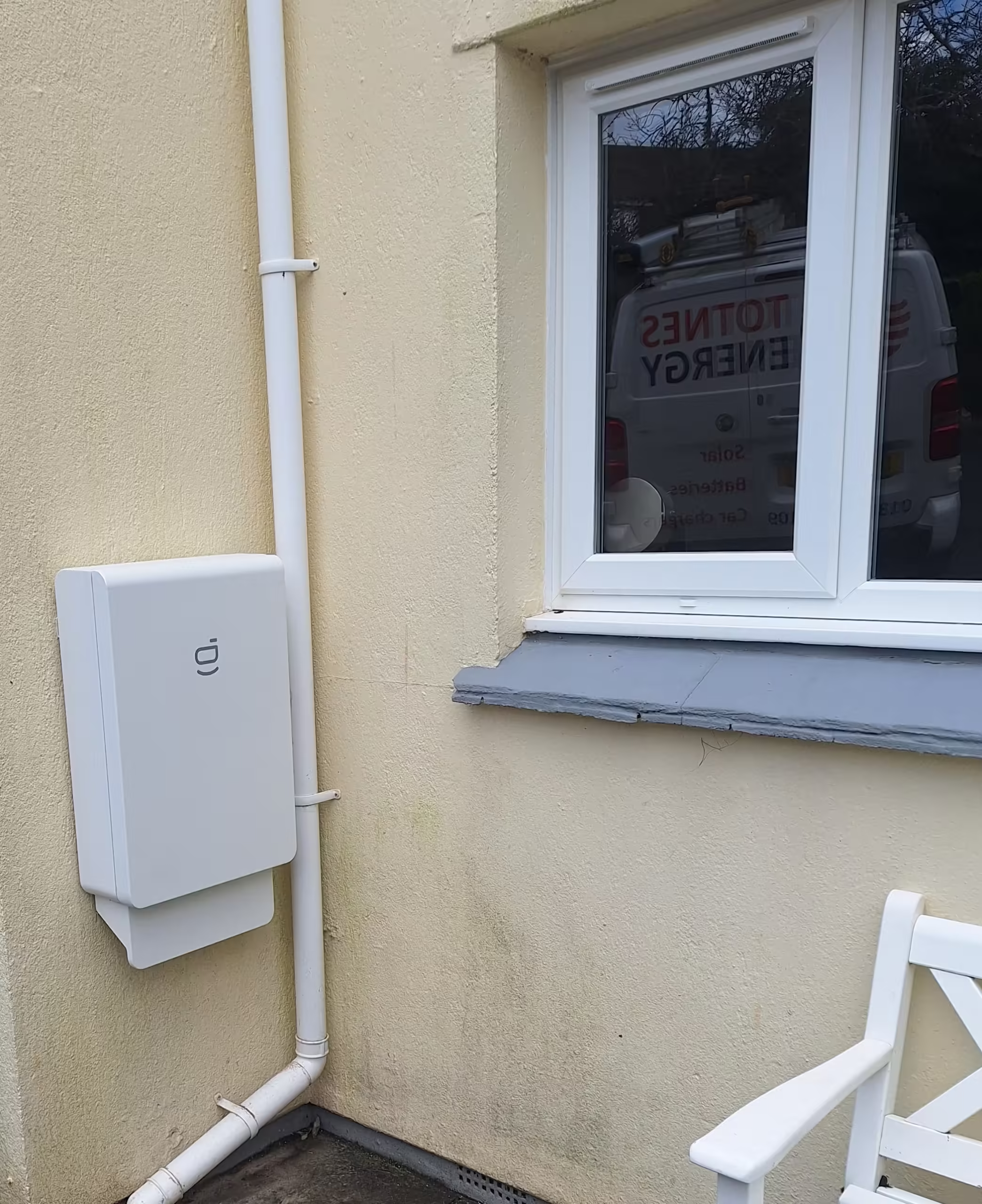


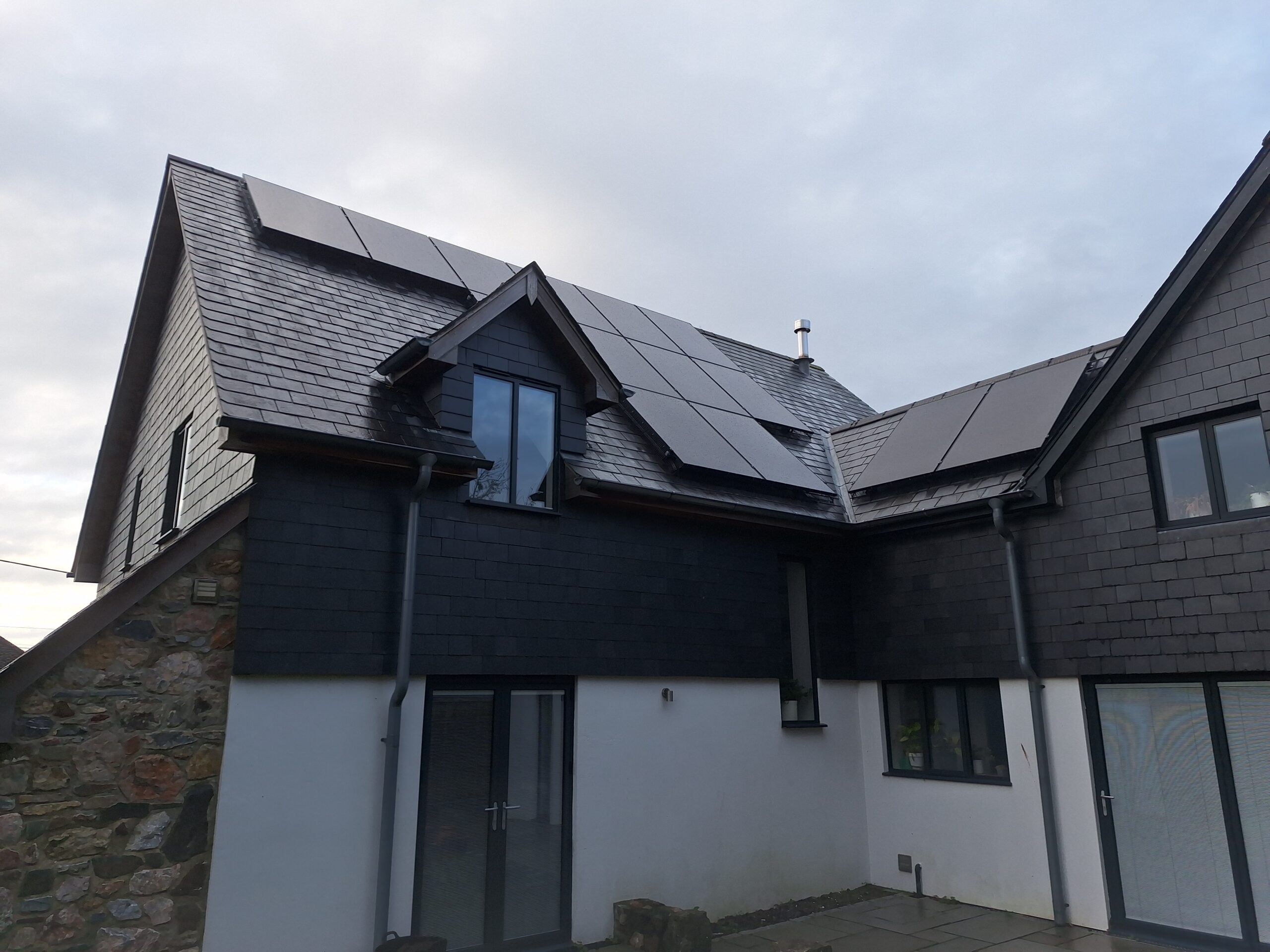
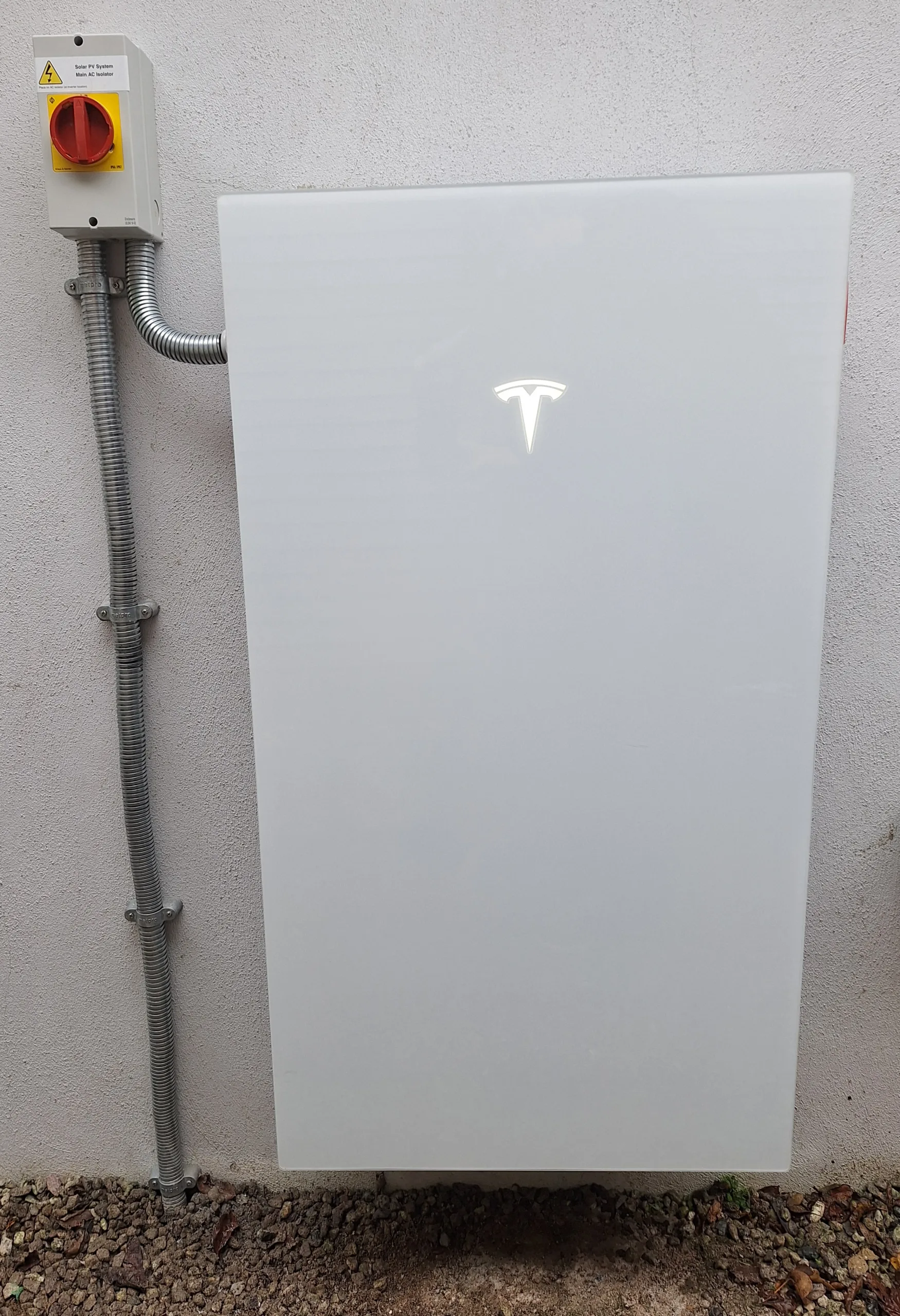
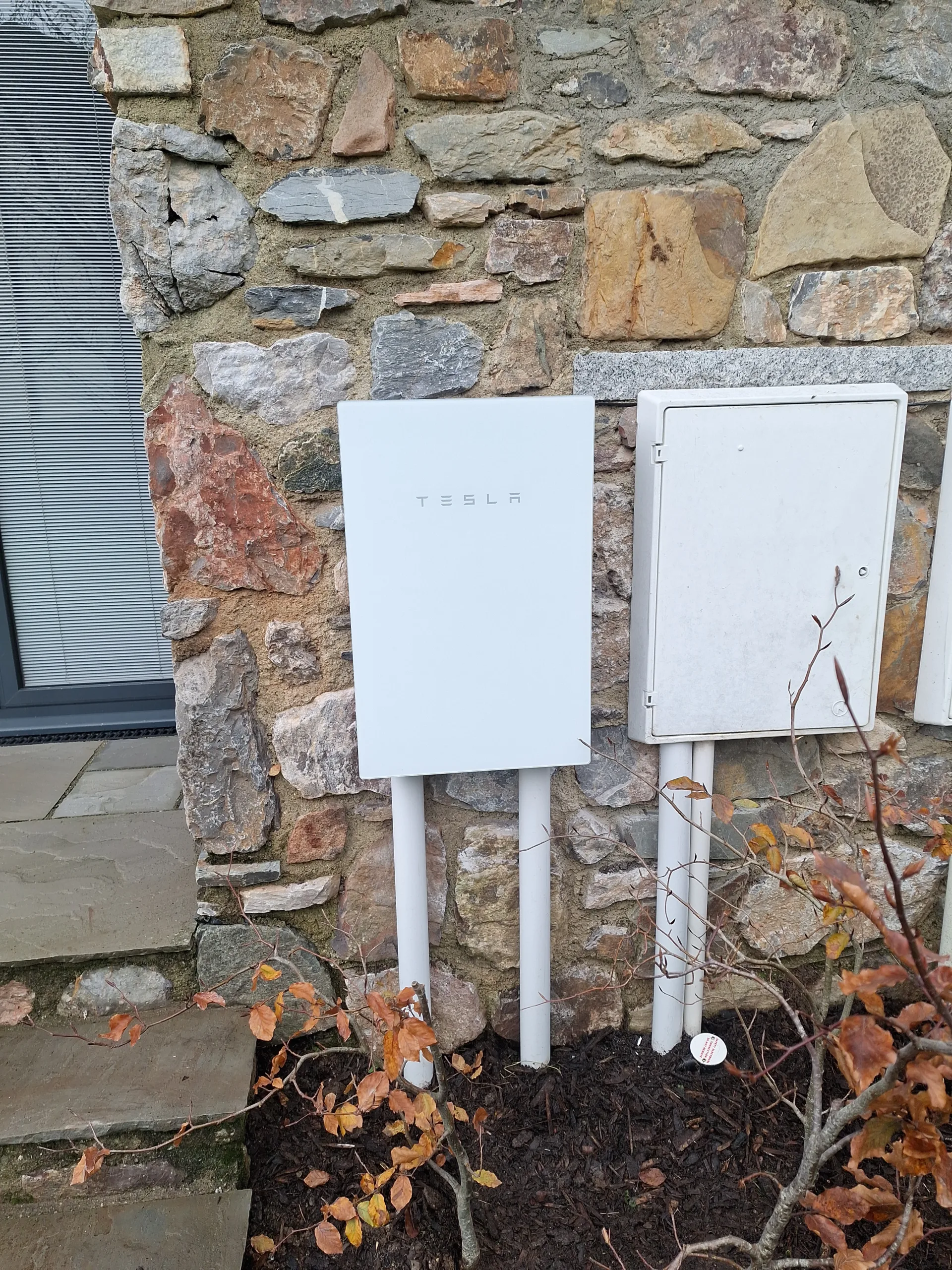
Why Tesla Powerwall 3 rather than SigEnergy?
The Tesla Powerwall 3 has a lower start up voltage than SigEnergy, which allows just two solar panels to be installed on a string. This enabled two additional panels to be installed on the south elevation and two solar panels to be installed behind the dormer window. Having the two solar panels behind the dormer on their own string means the dormer shade will not reduce the output of the rest of the system.
Mr D wanted advice on alternative systems to reduce his bills, so we provided quotes for a range of different devices. He opted for SigEnergy – one of the three premium systems we offer. He chose not to install the powercut backup gateway due to the infrequent powercuts in the area.
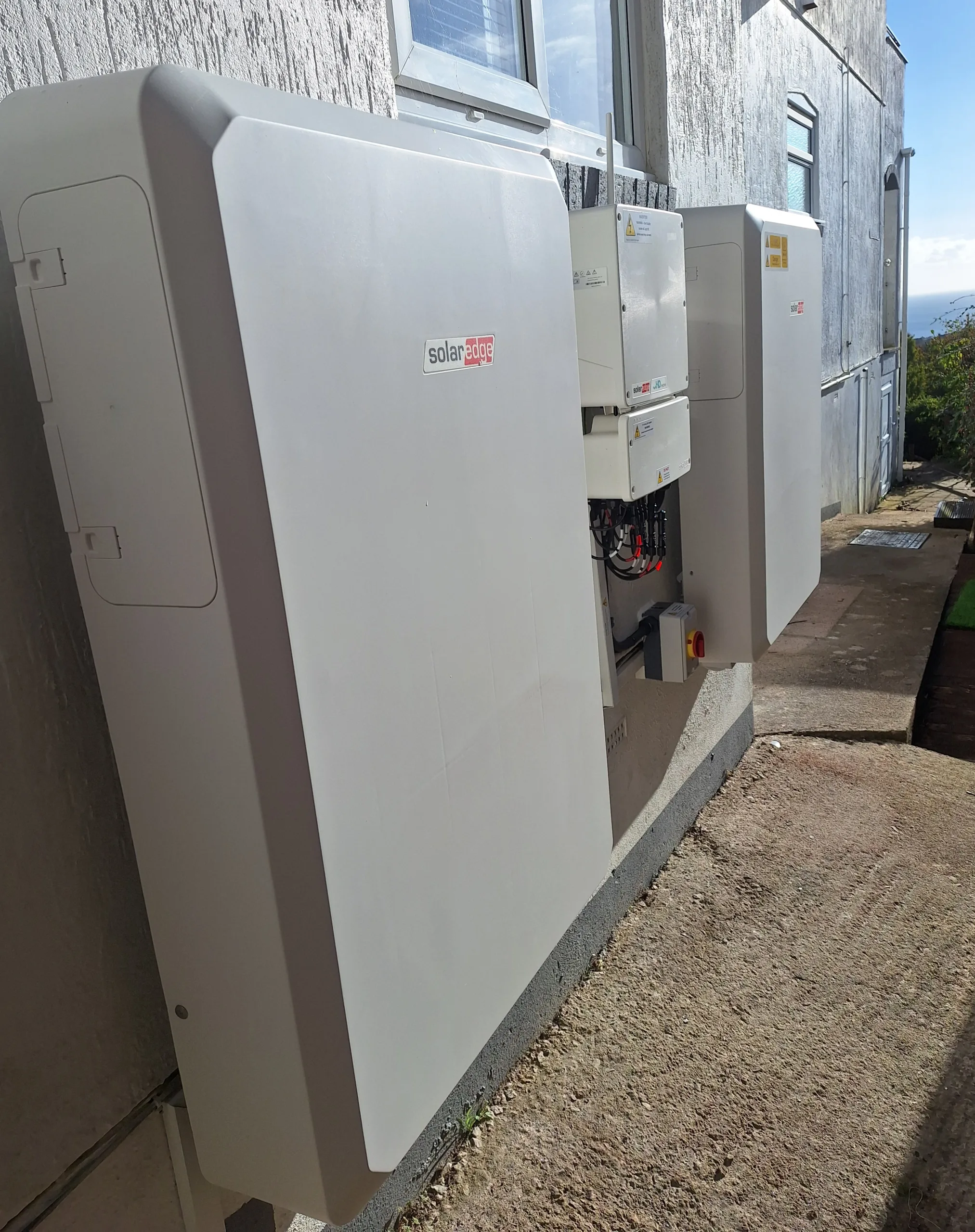
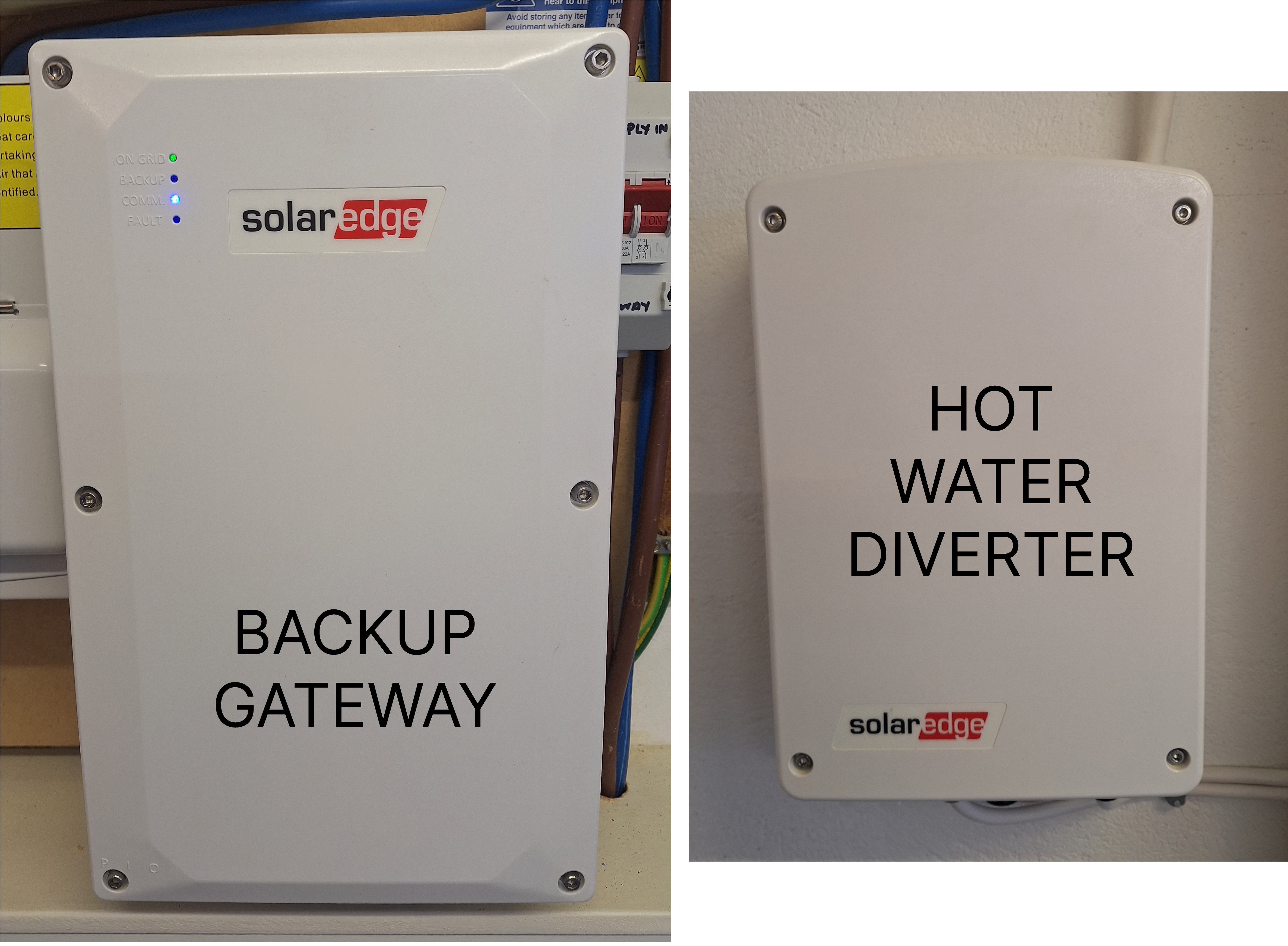
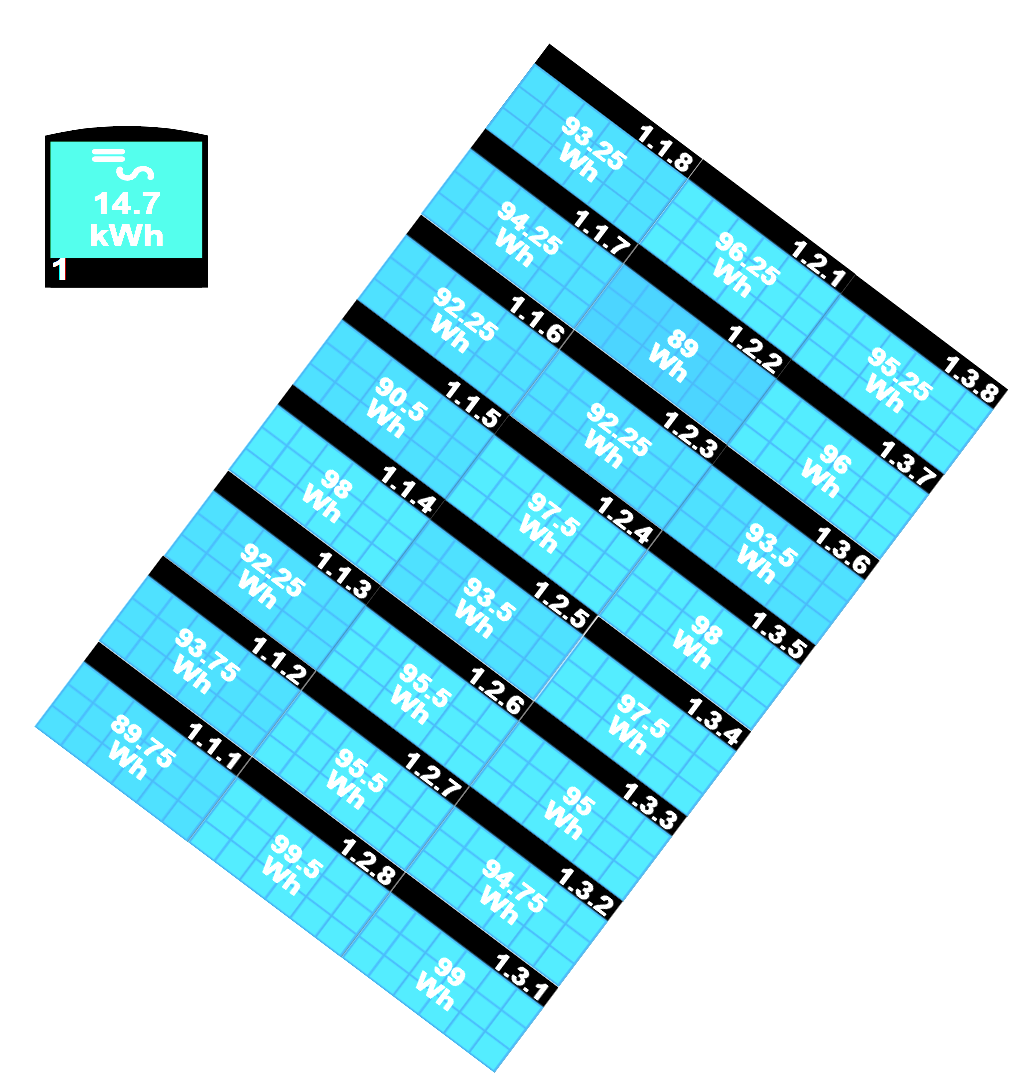
This customer was very keen on SolarEdge because her brother had a good experience with their system. Also there was shade from the chimney, which makes SolarEdge ideal since it has module level solar panel data and control. The fully integrated nature of SolarEdge means a single app controls the hot water, solar panels, hybrid inverter, batteries, powercut backup gateway and electric vehicle charger, making it very easy to use. It also means there is a single warranty and one point of contact for after sales support.
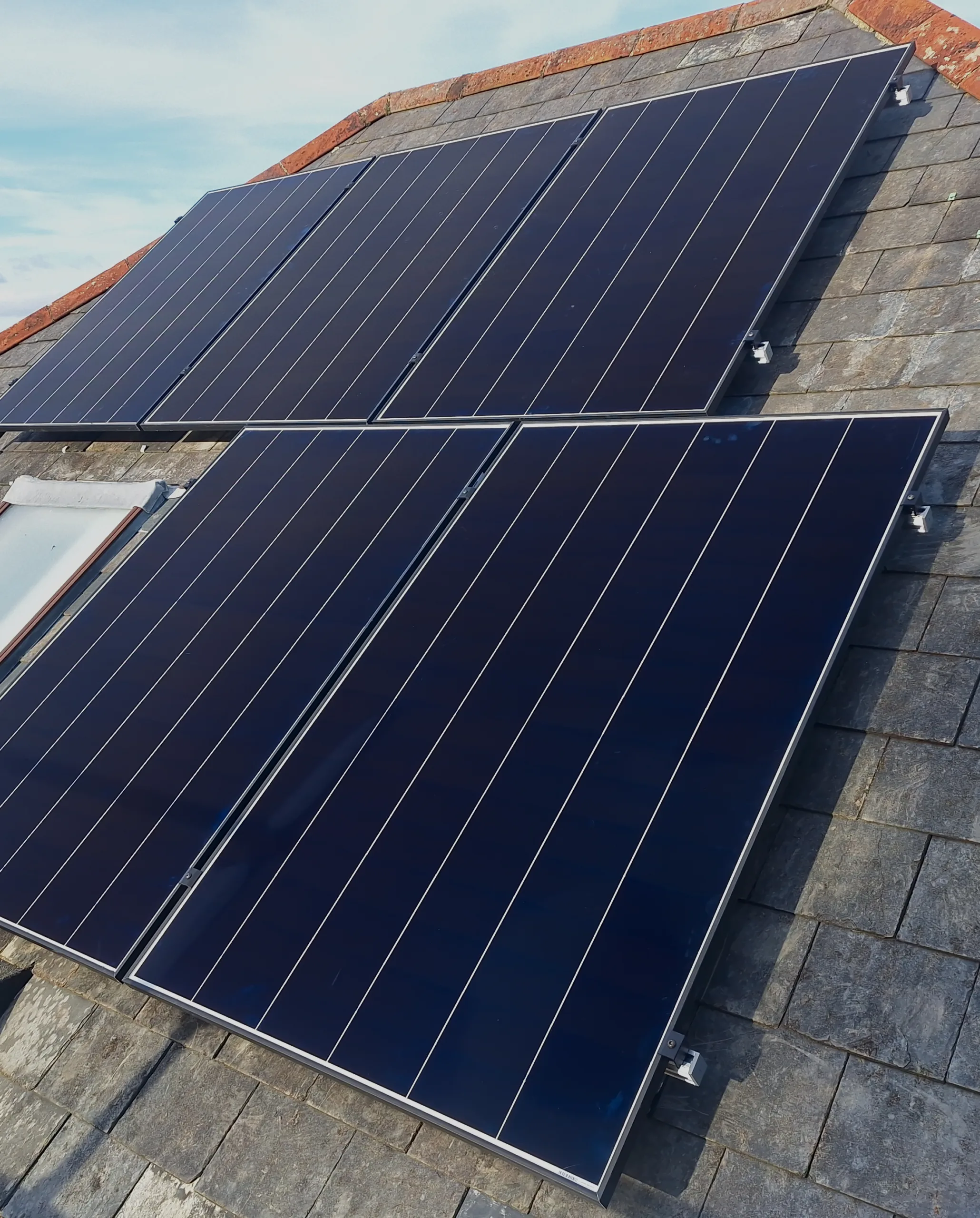
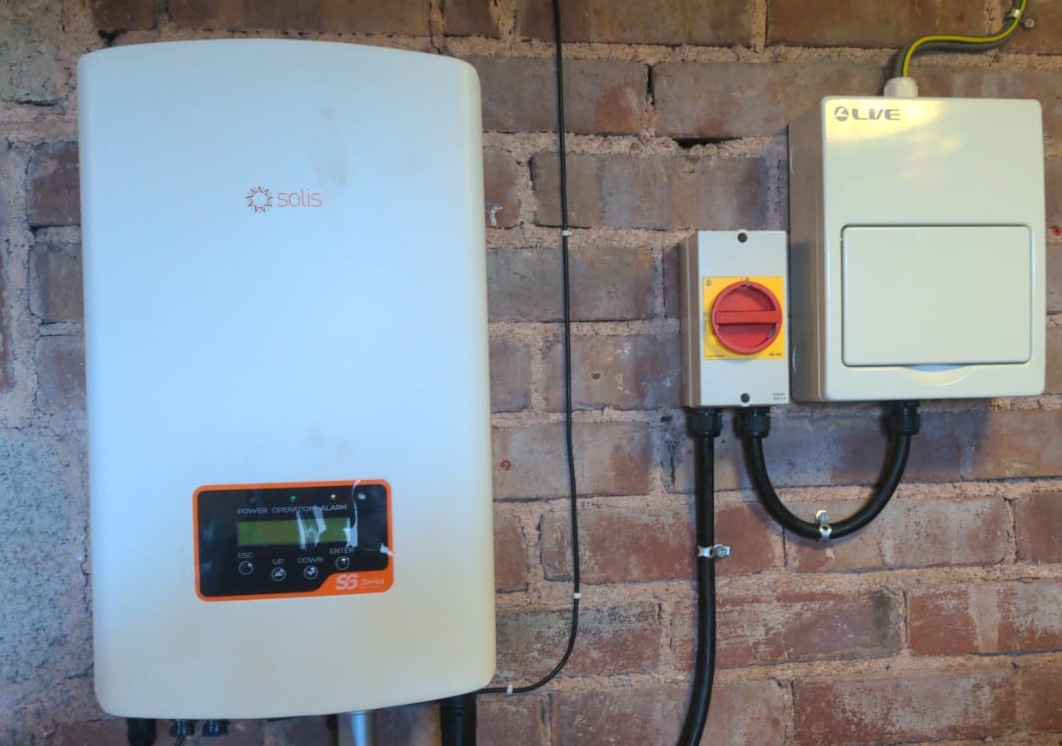
Why 4kW inverter?
We used a higher power inverter to allow extension of the system when the flat roof is replaced. We pre installed extra DC cables to make any extension straightforward.
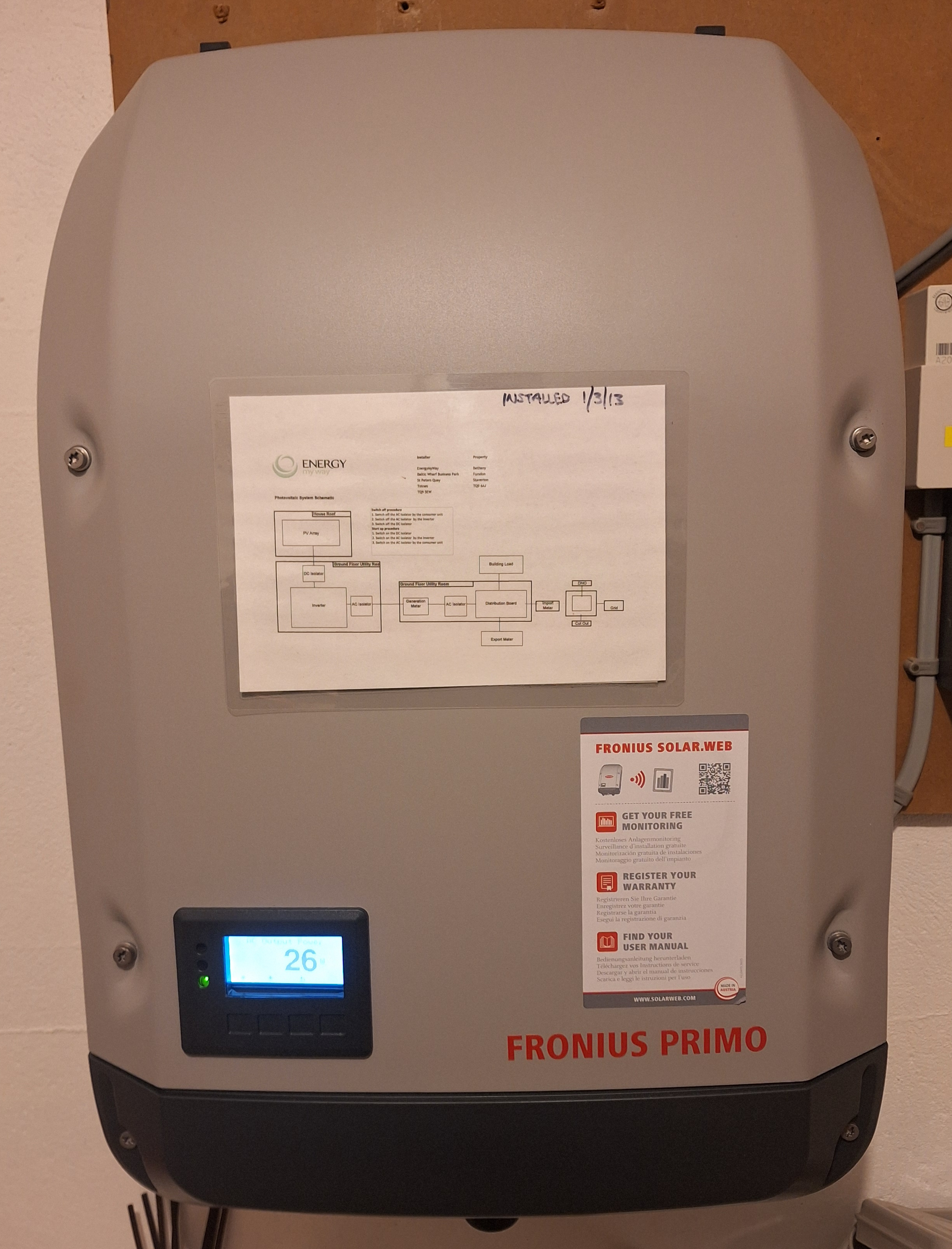
The original Fronius inverter had an internal fault and needed to be replaced. We replaced it with a Fronius Primo inverter since it was the only inverter we could source which would work with a single string of panels outputting over 500V.
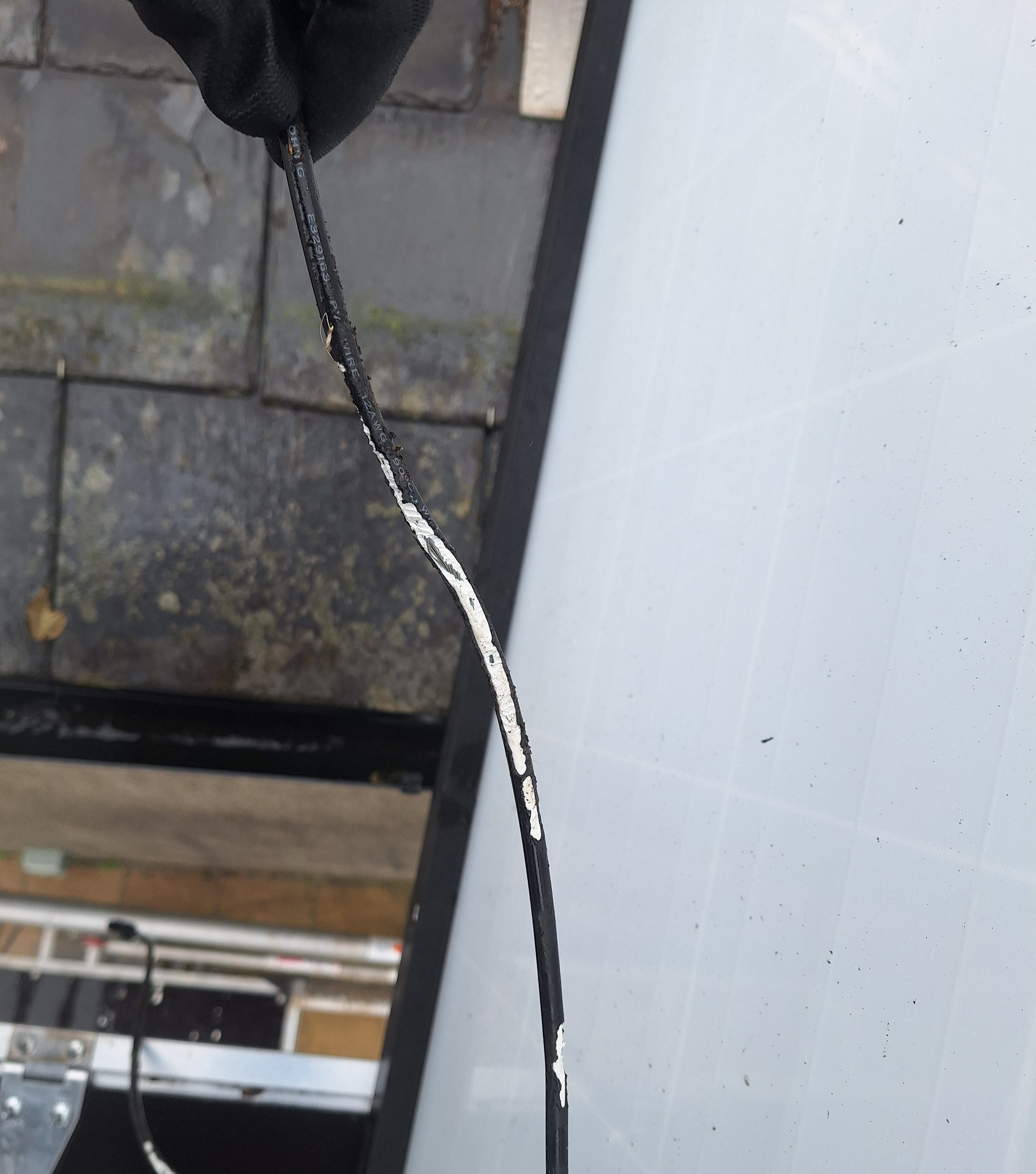
A DC fault was showing on the inverter and when tested it was clear there was a significant issue with cable damage on the roof. We removed all the solar panels and checked every cable for damage and removed and checked every cable connector. Due to rodent damage, we replaced over 15 sections of cable.
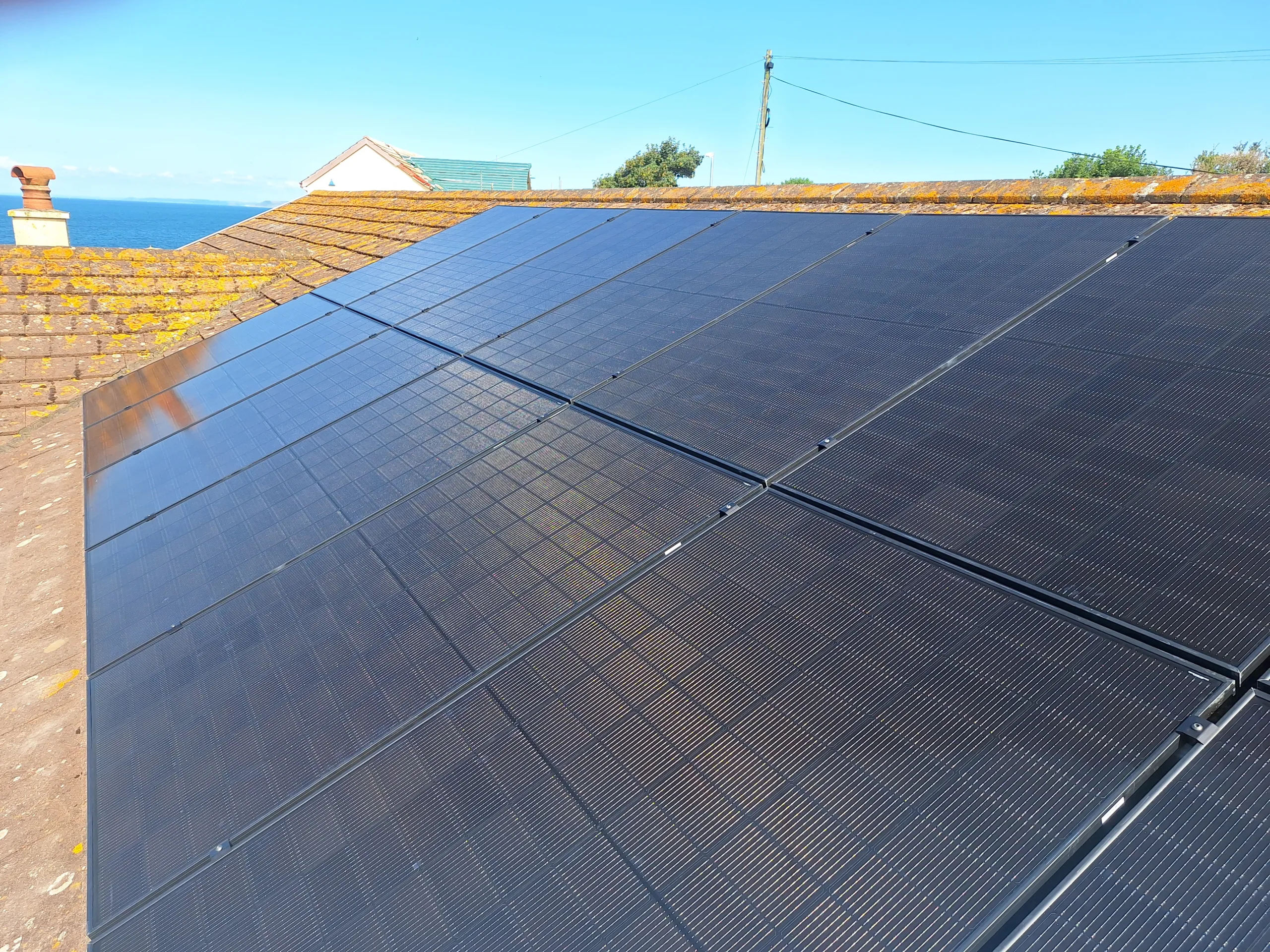
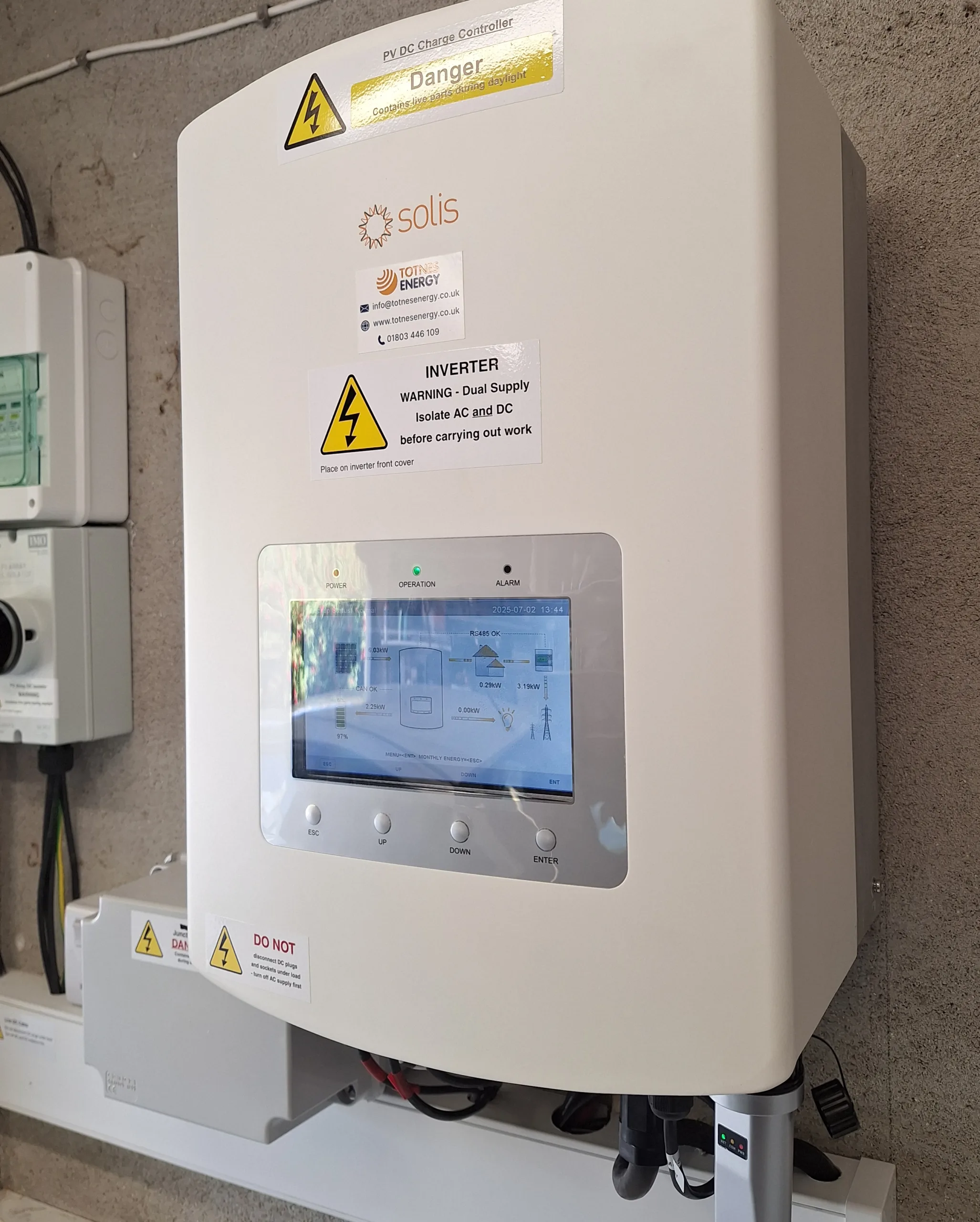
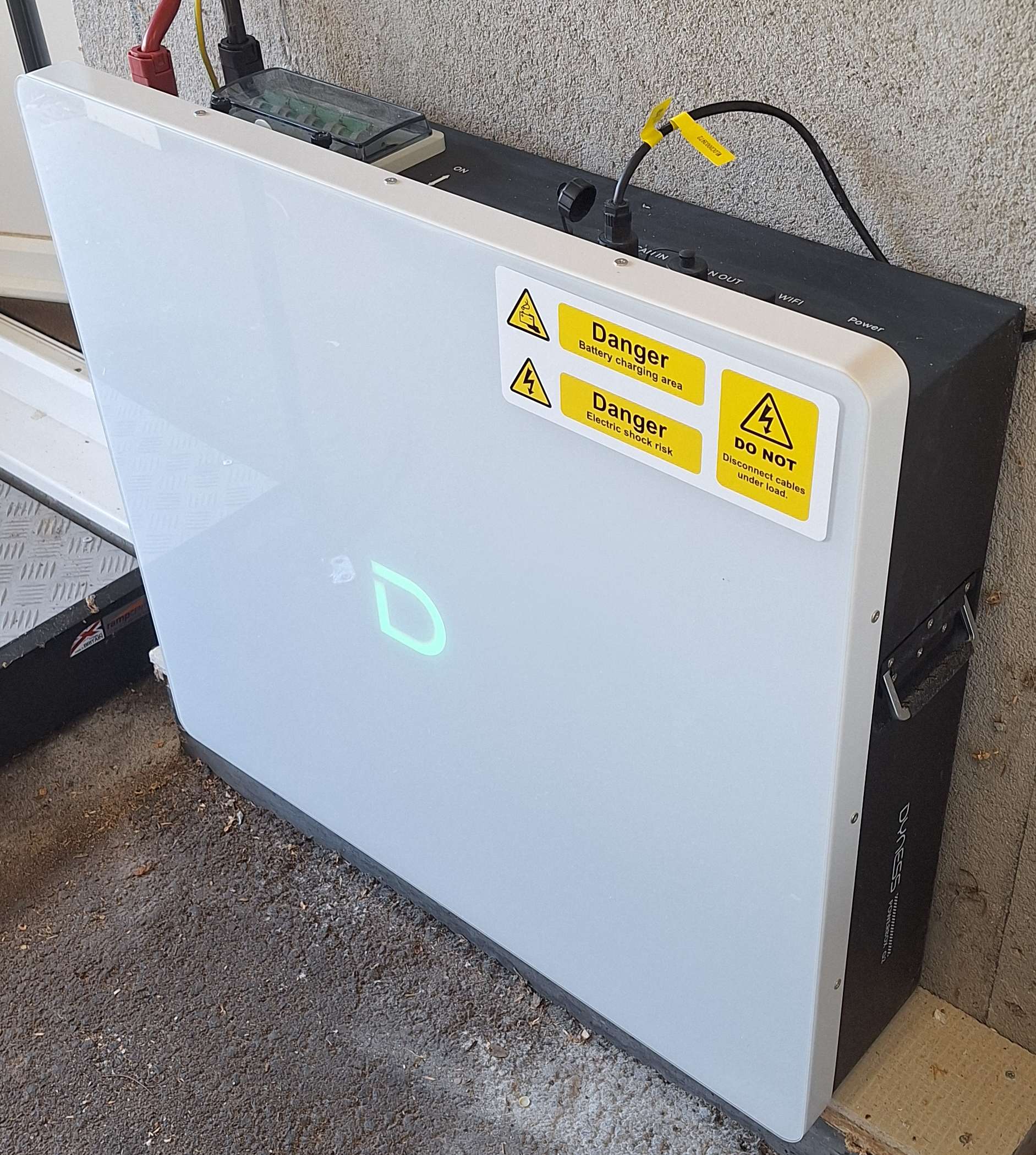
Mr F wanted a cost effective system to maximise his return on investment. He already had Solis on his own home which he was very happy with. We paired the Solis hybrid inverter with a Dyness battery since the battery has internal heating pads suitable for installation in an unheated garage. The other key advantage if Solis is that it is resilient – it can be paired with over 150 different batteries.
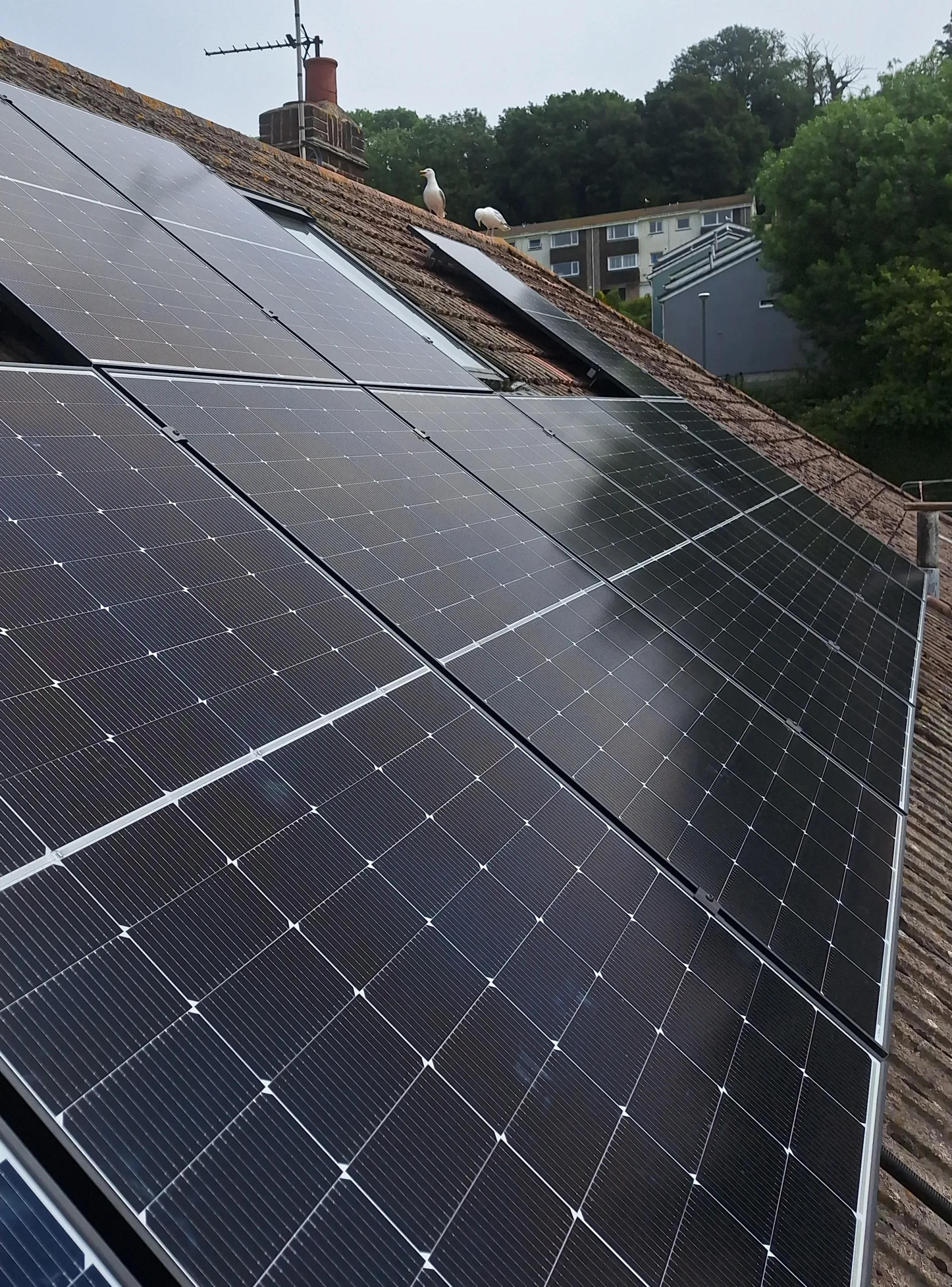
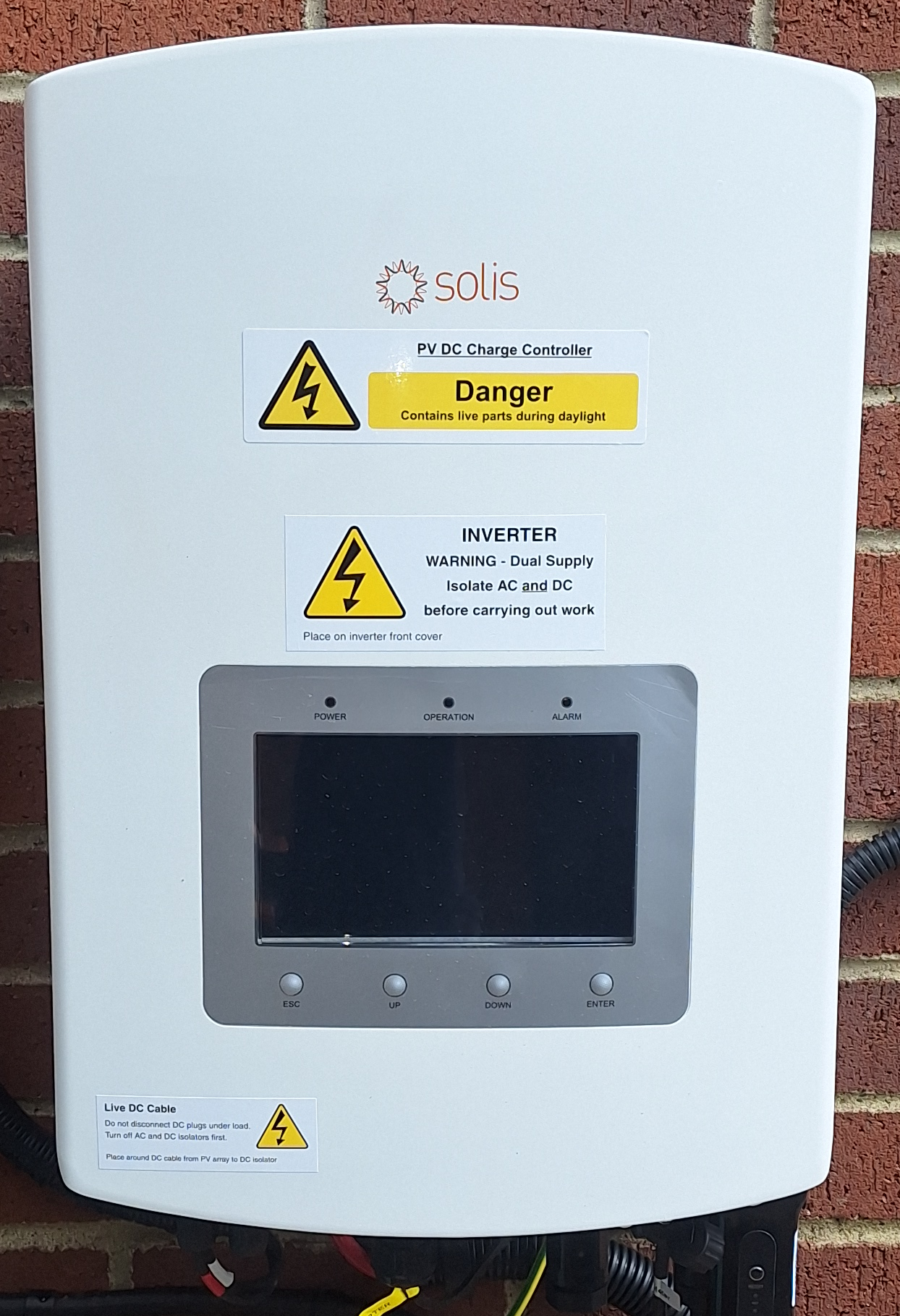
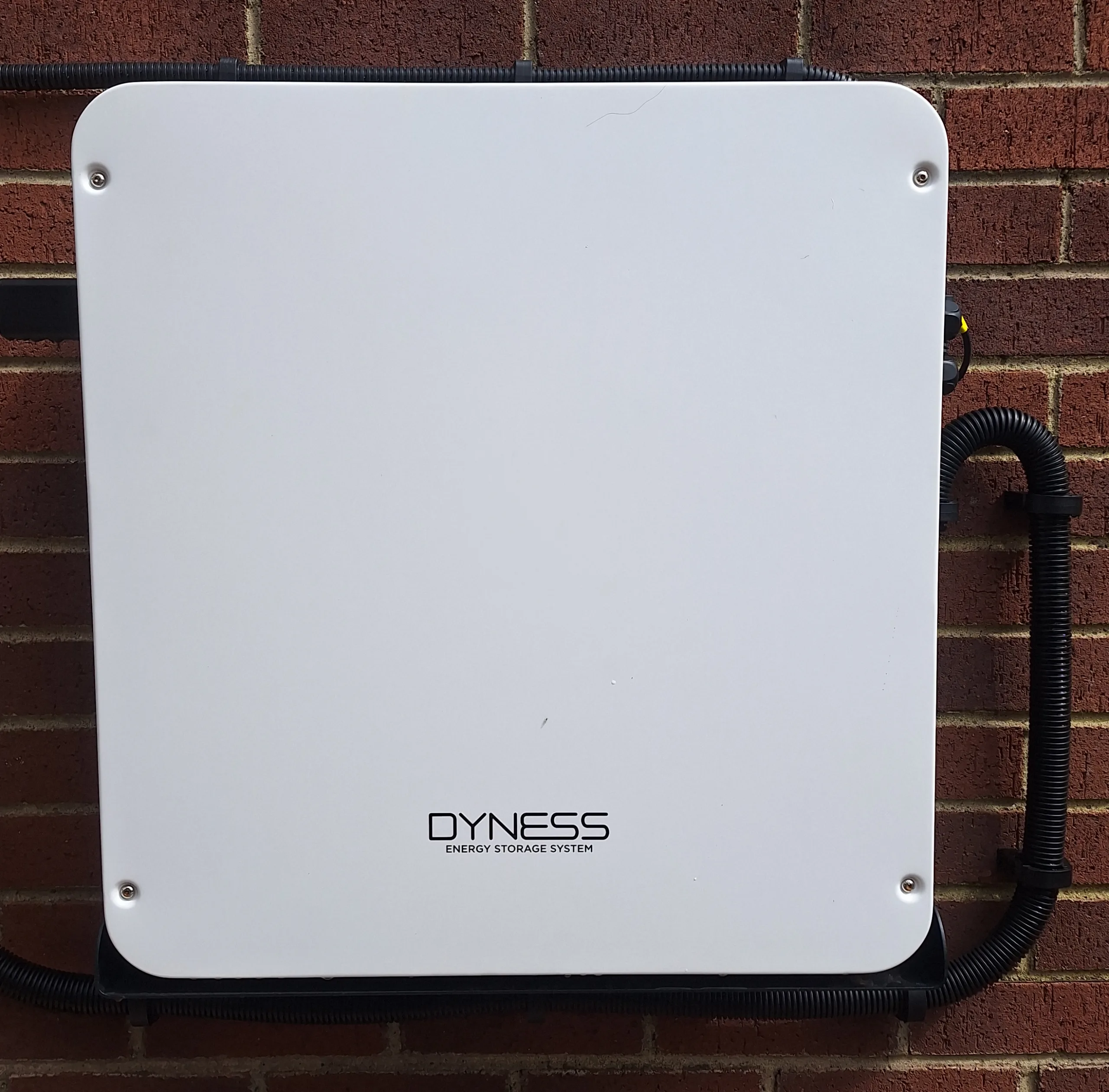
Mr & Mrs G asked for a cost effective and reliable system which worked in the background with little user input. We selected Solis and Dyness since it is very easy to use when set up to operate automatically with time of use tariffs. We chose solar panels with a white backsheet to lower the cost and also to maximise performance of the solar system.

